
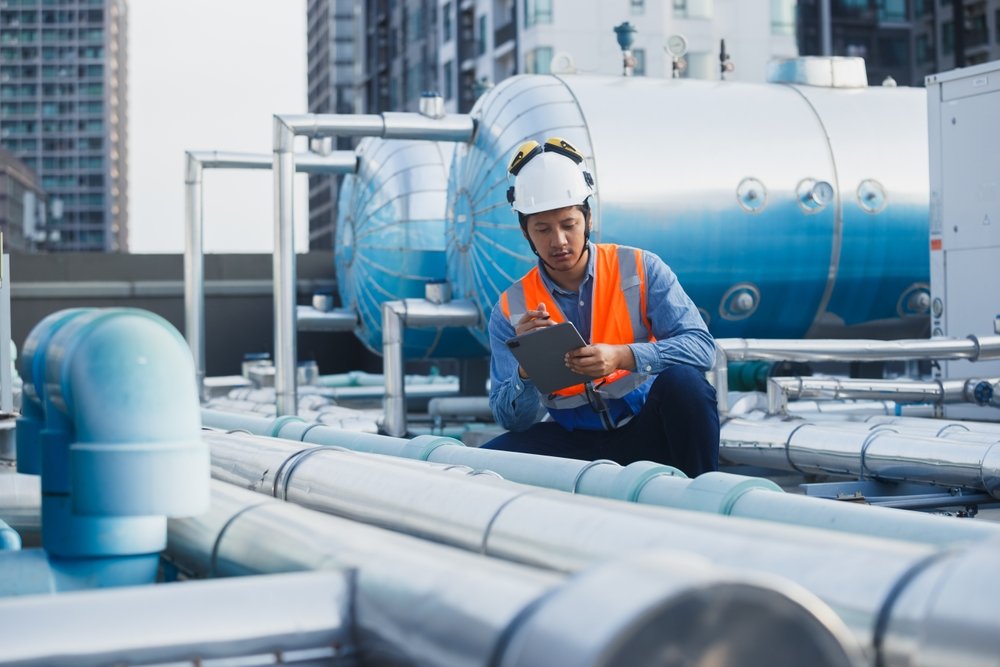
Whenever people hear the word HVAC, they have a fit, “What does HVAC stand for”?HVAC means Heating, Ventilation, and Air Conditioning. It’s the system that manages temperature, air quality, and airflow inside a building. These three functions combine to make indoor spaces safe and comfortable to live in. Put, HVAC meaning is in regard to maintaining temperature, managing air flow, and preserving a clean building atmosphere. You see the effects of HVAC every day. It keeps your living room warm in the winter, your home cool in the summer, and you, at the office, at the hospital, in the shopping mall, breathing fresh air. Rather than passively sitting still, an HVAC system works to heat, cool, and otherwise move air to ensure the perfect balance in a space. That’s why it’s important to understand what HVAC means. It’s not merely a machine — it’s a system that promotes our comfort, well-being, and the culture of modern life itself.

HVAC Full Form and Meaning
The HVAC full form itself expresses its meaning very well.
Heating: This involves the portion of an HVAC system that provides the heat for your home or office when it is cold outside. It functions like heaters, boilers, or heat pumps to keep the temperature inside comfortable, no matter what season it is. No one will be comfortable without heating, and winter will be too hard to handle; even then, the true HVAC meaning of comfort would be incomplete.
Ventilation: Ventilation ensures proper air circulation by removing stale air and bringing in fresh air from outside. It also eliminates indoor pollutants, smells, and excess moisture, which helps protect your health and maintain air quality. Good ventilation shows why, when people ask what HVAC stands for, it goes beyond just heating and cooling—it’s also about clean, breathable air.
Air Conditioner: When necessary, the air conditioning keeps your indoor temperatures cool and pleasant on hot days and helps control the humidity. A functional AC doesn’t just keep you comfortable; it also can keep out the excess moisture that invites mold. That is the true purpose of an HVAC system, as this function of being able to live well and stay cool in summer is very evident.
Altogether, these three roles create a demand for HVAC, which becomes a necessity for human comfort and ensures energy efficiency and healthy living. Indoor spaces would rapidly become uncomfortable –as well as unhealthy to inhabit– without proper heating, ventilation, and cooling.
What Is HVAC and Why Does It Matter

Now that we understand the HVAC meaning, here is why having an HVAC system is necessary in today’s world. But it’s more than just heat and air; it’s safety and indoor comfort. When working properly, an air conditioner removes hot air from the room and replaces it with cool air within a few hours. As long as it is properly cared for, it runs efficiently, conserving energy and lowering electricity bills. And then there are the health and furniture effects of too much moisture (mold) or not enough (drying). Whether you’re at home, in a standard office, or even at the mall, the HVAC system quietly operates in the background to ensure a comfortable and refreshing environment. That’s in part why, when people want to know what HVAC stands for, the answer can not only be found in the acronym of Heating, Ventilation, and Air Conditioning, but …as well as your comfort, health, and everyday living.
Importance of HVAC in Daily Life
The importance of an HVAC system goes beyond comfort because it also impacts health, safety, and productivity. Inadequate ventilation can result in poor indoor air quality, potentially triggering allergies, asthma, or even causing headaches. A well-maintained system, however, shows the real HVAC meaning by creating a clean and balanced indoor environment. At home, it keeps you warm in winter and cool in summer. In offices, it helps employees stay comfortable and productive. In hospitals, HVAC ensures sterile conditions and clean air for patients, while in schools, proper ventilation helps students stay healthy and focused. This is why, when people ask what HVAC stands for, the answer represents more than Heating, Ventilation, and Air Conditioning—it represents a system that supports comfort and well-being in every building.
HVAC Technician – The Expert Behind Every System
Whenever your air conditioner stops cooling in the peak of summer or your heater fails during a freezing winter night, you immediately realize the importance of an HVAC technician. These trained professionals are not only problem-solvers but also the backbone of every HVAC system. Their expertise ensures that heating, ventilation, and air conditioning work together to keep spaces comfortable, healthy, and energy-efficient. This shows that when people ask what HVAC stands for, the answer goes beyond just the words—it includes the skilled hands that keep these systems running smoothly.
Installing HVAC Systems
An HVAC technician is essential for the proper installation of heating, ventilation, and air conditioning systems. They carefully assess the size of the space, the building’s structure, and the customer’s needs before setting up the HVAC system. Proper installation makes a huge difference—it ensures maximum efficiency, lowers future repair costs, and provides consistent comfort in every season. Without professional installation, even the most advanced system may fail to deliver the true HVAC meaning of comfort and reliability.
Performing Regular Maintenance
One of the most important responsibilities of an HVAC technician is performing routine maintenance. They inspect different components, test performance, and make small adjustments to keep the system in top condition. Regular servicing prevents sudden breakdowns, extends the life of the equipment, and ensures that the HVAC system continues to run efficiently year after year. This highlights that maintenance is not just optional—it is essential to experiencing what HVAC stands for: dependable comfort and clean air.
Cleaning and Replacing Filters
Air filters are a small part of the HVAC system, but they have a big impact on air quality. Over time, filters collect dust, dirt, and allergens, which can harm health if not cleaned or replaced. An HVAC technician makes sure filters are properly maintained so that families and employees breathe cleaner air every day. This task also protects the system itself, as clogged filters can put extra strain on equipment and reduce efficiency.
Checking Ductwork
The ductwork in an HVAC system works like veins carrying conditioned air throughout a building. If ducts leak or become blocked, energy is wasted and airflow weakens. An HVAC technician inspects ducts carefully, seals any leaks, and clears blockages to restore proper circulation. This process not only improves comfort but also ensures that the system doesn’t waste energy, keeping bills under control.
Troubleshooting and Repairs
When problems occur, HVAC technicians are the ones who step in to restore comfort quickly. Whether it’s a furnace not heating in winter or an air conditioner not cooling in summer, they diagnose the root cause and repair it efficiently. Their ability to troubleshoot complex issues ensures that downtime is minimized, and people can continue enjoying the comfort that an HVAC system provides.
Energy-Efficient Upgrades
Another important role of HVAC technicians is advising on energy-efficient upgrades. Technology in heating and cooling evolves quickly, and modern systems are far more efficient than older ones. Technicians guide homeowners and businesses on choosing the right upgrades, such as smart thermostats, high-efficiency units, or eco-friendly options. These upgrades not only reduce electricity bills but also support a healthier environment. Without skilled HVAC technicians, even the best systems would fail to keep up with the demands of modern living. They are truly the unsung heroes who make sure that heating, ventilation, and air conditioning work together seamlessly, delivering year-round comfort, fresh air, and energy efficiency.
What Is HVAC in Simple Terms?
For anyone still wondering, what is HVAC in simple words? An HVAC system is the technology that keeps the air inside your home, office, or any building feeling just right. It works quietly in the background to balance temperature, remove polluted air, bring in fresh air, and maintain energy efficiency. The HVAC meaning becomes clear when you look at how it works—it heats when the weather is cold, cools when it’s hot, and constantly circulates fresh air to keep the indoor environment healthy. So, the next time you adjust your thermostat, remember that your HVAC system is working hard behind the scenes to keep you comfortable every day.
How to Keep Your HVAC System Efficient
Knowing what HVAC stands for is important, but maintaining an HVAC system is just as critical. Even the best systems lose efficiency if you don’t care for them properly. The HVAC meaning goes beyond heating and cooling—it’s about long-term comfort, health, and savings, which is why regular upkeep matters. To keep your system in top condition, schedule professional servicing at least twice a year and make sure to replace or clean the filters every few months. Use a programmable thermostat to save energy, keep vents clear of furniture or curtains, and always check for duct leaks since they can waste both air and money. By following these simple practices, you can lower costs, improve indoor air quality, and extend the life of your HVAC system.
Final Thoughts
Now you have a complete understanding of what HVAC stands for and why it’s such a crucial part of everyday life. The HVAC full form—Heating, Ventilation, and Air Conditioning—tells us everything about its purpose: keeping indoor spaces comfortable, safe, and healthy. From homes to offices and even hospitals, HVAC systems are everywhere, silently working to maintain the perfect environment. And remember, without a skilled HVAC technician, these systems wouldn’t run efficiently. So the next time someone asks you, What does HVAC stands for, you’ll not only know the full form but also its meaning, importance, and role in daily life. Don’t wait for your system to break down before calling an expert. Schedule regular maintenance with a trusted HVAC technician. At Airlution, we ensure your HVAC systems run smoothly—saving money, improving performance, and keeping your indoor air fresh and healthy.
FAQs
What does HVAC stand for?
HVAC stands for Heating, Ventilation, and Air Conditioning, which work together to create a comfortable, healthy indoor environment.
Why is HVAC important?
HVAC systems regulate temperature, air quality, and humidity, making them essential for comfort, health, and energy efficiency in homes and offices.
How does an HVAC system work?
An HVAC system heats or cools indoor spaces, circulates fresh air, and removes stale air to ensure comfort and proper ventilation.
Who is an HVAC technician?
An HVAC technician installs, repairs, and maintains HVAC systems, ensuring they work efficiently to provide comfort and healthy indoor air.