
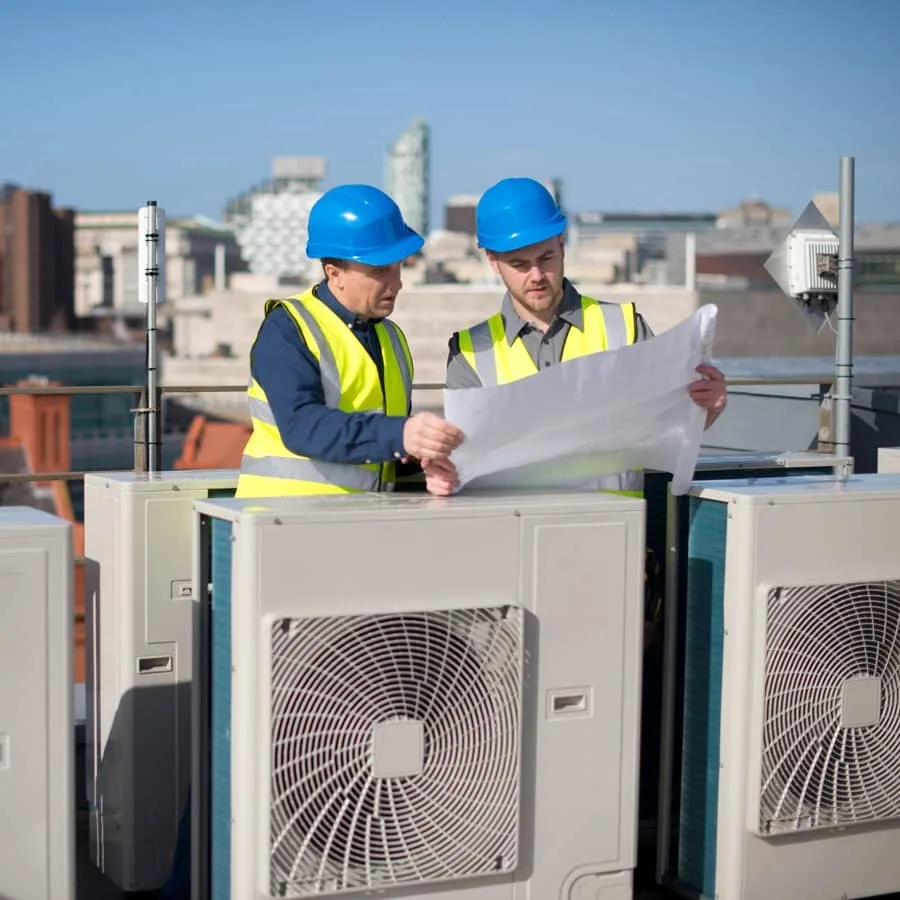
When it comes to maintaining a comfortable and pleasant indoor environment, HVAC (Heating, Ventilation, and Air Conditioning) systems play a crucial and indispensable role. These systems regulate the temperature, air quality, and humidity levels, making them essential for creating a comfortable living or working space. HVAC technicians are the trained experts responsible for confirming that these techniques run efficiently and smoothly. Whether you’re experiencing the intense, sweltering heat of Saudi Arabia’s summer or the cold chill of winter, HVAC technicians are the ones who make sure your indoor environment remains comfortable, safe, and conducive to daily life. But what exactly does an HVAC technician do? Let’s take a closer look and crack down on their commitments in more detail.
What is HVAC?
Before delving into the specific role of an HVAC technician, it’s essential first to understand what HVAC stands for and why it plays such a critical role in ensuring our indoor comfort. HVAC is an acronym for Heating, Ventilation, and Air Conditioning—three interconnected systems that work together to regulate and maintain indoor air quality, temperature, and humidity levels. These systems are vital for creating a comfortable environment in both residential and commercial spaces. In regions like Saudi Arabia, where the temperatures can soar to extreme and often dangerous levels, HVAC systems are not just a luxury—they are a necessity. Without a reliable HVAC system, maintaining a livable and safe indoor environment would be nearly impossible, especially during the intense summer months.
The Role of an HVAC Technician
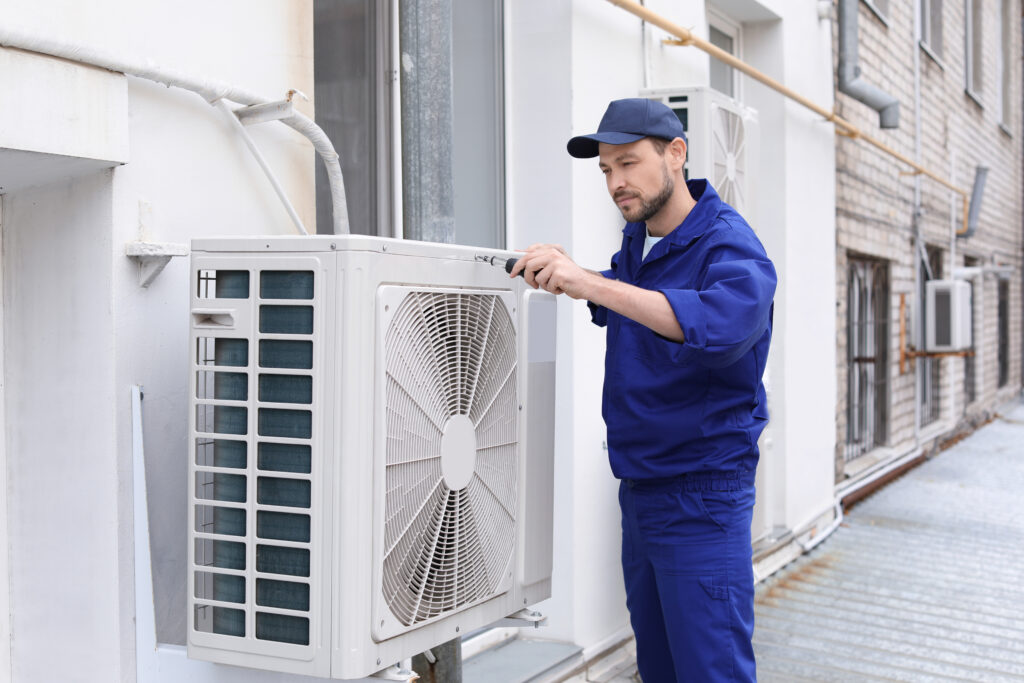
An HVAC technician has an important duty in ensuring the proper functioning of HVAC systems. They are tasked with installing, maintaining, and repairing various HVAC systems to ensure that heating, cooling, and ventilation components are working efficiently. These skilled professionals play a key role in delivering the best possible indoor air quality and temperature control, which is essential for comfort and safety. The tasks they undertake can vary greatly depending on the specific type of building, the HVAC system in place, and the unique requirements of each structure. However, the core duties of an HVAC technician generally include the following:
Installation
One of the immediate duties of an HVAC technician is the maintenance of HVAC systems and their multiple elements, such as HVAC ducts, heating units, and cooling systems. For instance, when installing an HVAC package unit, which is commonly used in commercial buildings as a self-contained system, the technician ensures that all components are properly connected, calibrated, and functioning as intended. This process requires a deep understanding of system design, ensuring that the unit meets the specific needs of the building, particularly in terms of airflow and temperature control. A precise installation is critical to avoid energy inefficiency or system malfunctions down the line.
Maintenance
Regular care of HVAC systems is vital to provide their long-term functionality. An HVAC technician performs regular inspections of key components like HVAC ducts, filters, coils, and other system elements to ensure smooth operation. For example, they will check HVAC ducts for any signs of leaks, replace dirty air filters to maintain air quality, and clean the coils to prevent dirt and debris buildup that could impair the system’s performance. Regular maintenance not only helps extend the lifespan of the system but also improves air quality and reduces energy consumption by ensuring that the system runs efficiently, preventing potential breakdowns.
Repairs
When an HVAC system malfunctions or experiences a breakdown, the technician steps in to diagnose the issue and perform the necessary repairs. Whether it’s fixing faulty wiring, replacing a damaged compressor, or addressing a refrigerant leak, HVAC technicians possess the technical expertise to restore the system to its full functionality. Their ability to troubleshoot and quickly identify the root cause of an issue minimizes downtime and ensures that heating and cooling systems resume optimal operation as soon as possible. Without their expertise, system failures could lead to uncomfortable indoor environments and higher energy costs.
Upgrades and Modifications
Occasionally, HVAC systems may need to be upgraded or modified to improve their performance or adapt to new building requirements. This could involve replacing older components with more energy-efficient models, such as upgrading an old HVAC package unit to a modern, energy-efficient system. Additionally, HVAC technicians may be tasked with modifying existing systems to incorporate the latest technological advancements or to meet the growing demands of a building’s occupants. Upgrading systems can result in lower energy consumption, improved air quality, and enhanced comfort for those using the building.
HVAC Full Form and Meaning
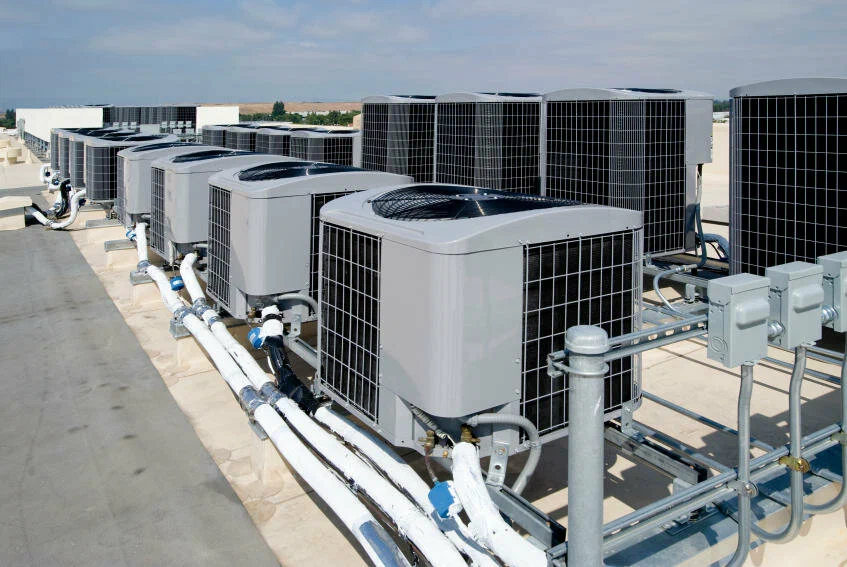
For those unfamiliar with the term, HVAC full form stands for Heating, Ventilation, and Air Conditioning. These related systems are developed to control the indoor climate of a building by regulating temperature, airflow, and humidity. The HVAC meaning goes above just heating and cooling; it involves maintaining indoor air quality and ensuring comfort by controlling the building’s atmosphere. HVAC technicians are vital in ensuring these systems are properly installed, maintained, and repaired to function efficiently. In regions like Saudi Arabia, where extreme temperatures are the norm, reliable HVAC systems are essential. Without these systems, buildings would struggle with poor air quality and extreme temperatures, leading to discomfort and unsafe living conditions. Therefore, the expertise of HVAC technicians is essential for constructing a relaxed and comfortable indoor atmosphere.
The Distinction Between an HVAC Technician and an HVAC Engineer
While the roles of HVAC technicians and HVAC engineers are closely related, they have distinct responsibilities. An HVAC engineer is mostly responsible for developing and designing HVAC systems, confirming that they fulfill the clear needs of a building. They take into account the building’s size, layout, climate, and efficiency requirements, creating detailed plans to ensure the system operates effectively and complies with relevant standards.
In contrast, an HVAC technician focuses on the practical side of things. They handle the installation, keeping, and restoration of HVAC systems. While engineers design the system, technicians are the ones who bring it to life, ensuring the components are correctly installed and perform as expected. Technicians troubleshoot issues and provide ongoing maintenance to ensure the system continues to function properly over time.
What Does an HVAC Technician Need to Know?
To be a successful HVAC technician, it’s important to have a stable performance in various technical areas, including HVAC systems, electrical systems, and computerized systems. Here are some core knowledge areas:
Understanding HVAC Package Units: HVAC package units are self-contained systems that combine heating, ventilation, and air conditioning. An HVAC technician must be skilled in installing, maintaining, and troubleshooting these units to ensure all components are connected properly and the system runs efficiently.
HVAC Duct Installation: Proper installation of HVAC ducts is crucial for effective air distribution throughout a building. Technicians must be able to handle ductwork, ensuring it’s sealed correctly, properly sized, and installed to prevent air leaks and maximize efficiency.
detecting and repairing issues: One of the essential talents for an HVAC technician is the capacity to analyze and fix problems fast. Whether it’s a malfunctioning air conditioner or a heating unit, troubleshooting is essential to get the system back up and running efficiently.
Key Skills of an HVAC Technician
To excel as an HVAC technician, the following skills are crucial:
Technical ability: An HVAC technician must possess a strong and complete knowledge of different HVAC systems. This contains everything from easy residential cooling systems to complicated commercial HVAC techniques. Technicians should be familiar with the latest technologies and innovations in HVAC systems, ensuring they can install, maintain, and repair a wide range of systems, no matter their size or complexity.
Problem-solving skills: HVAC technicians are usually faced with incredible issues that require quick consideration and useful problem-solving. Whether it’s a malfunctioning air conditioner, heating system, or ventilation unit, technicians must be able to quickly assess the problem, diagnose its root cause, and implement the right solution. These skills are vital to preventing prolonged discomfort, system failures, or costly repairs.
Attention to detail: The nature of HVAC systems is complex, with many elements that work together to guarantee a smooth process. Even a small issue, such as a loose wire or clogged filter, can lead to significant system malfunctions. HVAC technicians need to have a sharp eye for detail to identify minor problems before they escalate, ensuring that the system functions efficiently and that the indoor environment remains comfortable for occupants.
Why Are HVAC Technicians Important in Saudi Arabia?
Saudi Arabia is prominent for its extreme temperatures, particularly during the super hot summer months, where the heat can become too much. In such a challenging climate, having a functional and reliable HVAC system becomes essential for maintaining comfort indoors. HVAC technicians play a critical role in ensuring that homes, offices, and commercial spaces stay cool, comfortable, and safe. Whether it’s the installation of a new HVAC package unit or providing regular maintenance for an existing system, these professionals are responsible for ensuring that HVAC systems are operating at their best. Their expertise helps prevent breakdowns, reduces the risk of system failures during the hottest months, and guarantees that air quality and temperature control are maintained, making them indispensable for daily life in Saudi Arabia.
How an HVAC Technician Works with HVAC Ducts
HVAC ducts are necessary for the right distribution of conditioned air throughout a structure. A professional HVAC technician is responsible for installing, maintaining, and improving these ducts to ensure proper air circulation. When ducts are poorly insulated or have leaks, they can cause energy losses and lead to inefficient system performance, which can raise energy costs. Moreover, leaky ducts can even negatively impact indoor air quality by permitting dust, dirt, and allergens to circulate. For optimal system performance, regular inspection and maintenance of HVAC ducts are essential. The technician ensures that ducts are properly sealed, insulated, and free of obstructions, allowing the HVAC system to function efficiently and maintain good air quality.
The Future of HVAC Technicians
As energy efficiency and sustainability continue to grow as major concerns globally, the demand for environmentally friendly and energy-efficient HVAC systems is expected to increase significantly. HVAC technicians will need to keep pace with the latest technological advancements and innovations in the field, ensuring that they are equipped to handle cutting-edge systems. This includes working with green technologies, such as energy-efficient HVAC package units and systems that reduce carbon emissions. As the world becomes more focused on environmental sustainability, especially in regions like Saudi Arabia, HVAC technicians will be instrumental in promoting and implementing these green solutions. The rise in sustainable building practices and the shift towards energy-efficient HVAC systems will open up new opportunities for growth in the HVAC industry, with technicians playing a key role in shaping this transformation.
Get Expert HVAC Services in Saudi Arabia
When it comes to professional HVAC solutions, Airlution is the name you can trust. Our skilled HVAC technicians deliver reliable services for every type of space—whether it’s a home, office, or large facility. From residential HVAC installation to commercial HVAC installation and even industrial HVAC installation, we ensure that every system is installed with precision and care.
With Airlution’s HVAC installation services, you get more than just comfort—you get efficiency, safety, and long-lasting performance. Whether you need a new system for your house, an upgrade for your office, or a complete setup for an industrial site, our team has the expertise to handle it all. Choosing us means your HVAC systems will always run smoothly, keeping your indoor environment comfortable year-round.
Conclusion
An HVAC technician is essential in maintaining the comfort, safety, and well-being of indoor environments, especially in regions like Saudi Arabia, where extreme temperatures are common. Whether installing the latest systems, achieving routine maintenance, or fixing a malfunctioning HVAC unit, these experts ensure HVAC systems function efficiently. Their expertise allows for stop analyses, enhances energy efficiency, and extends the life of the implements. If you need an HVAC technician for your home or business, it’s crucial to choose one with the right skills and experience to handle all your HVAC needs effectively. A professional technician guarantees your HVAC system runs smoothly, maintaining your indoor climate relaxing throughout the year.
FAQs:
What is an HVAC technician’s role?
An HVAC technician installs, maintains, and repairs HVAC systems, ensuring proper temperature, air quality, and comfort in homes and businesses.
Why are HVAC technicians important in Saudi Arabia?
HVAC technicians are crucial in Saudi Arabia due to the extreme temperatures, ensuring HVAC systems work efficiently to maintain comfort and air quality.
What skills do HVAC technicians need?
HVAC technicians must have technical ability, problem-solving talents, and awareness of particular aspects to install, maintain, and repair HVAC systems.
What is HVAC full form?
HVAC stands for Heating, Ventilation, and Air Conditioning, systems designed to regulate indoor temperature, airflow, and humidity.
How does an HVAC technician work with ducts?
An HVAC technician installs, maintains, and repairs HVAC ducts to ensure proper air circulation and efficient HVAC system performance.