
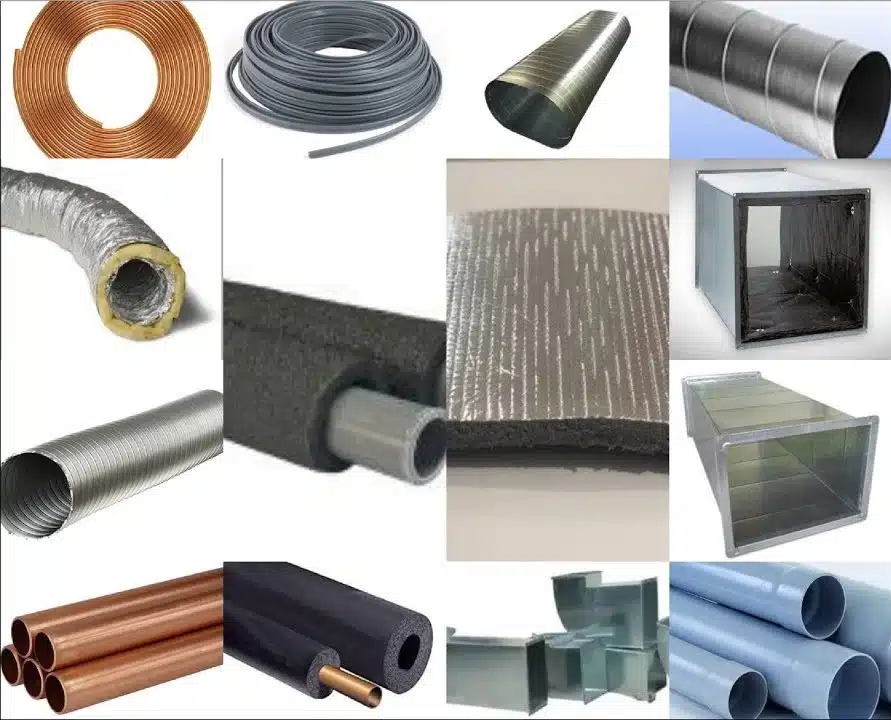
Selecting the right duct material is an Important step in ensuring the efficiency and longevity of your HVAC system. The ducts are responsible for carrying heated or cooled air throughout your space, and the material chosen for them plays a key role in the system’s overall performance, energy efficiency, and durability. Different duct materials, such as galvanized steel, aluminum, stainless steel, fiberboard, fiberglass, and flexible ducts, each offer unique benefits. It’s essential to choose the one that best fits your system’s specific needs, taking into consideration factors like climate, space, and budget. In this blog, various duct materials & variants are discussed in detail, giving you the knowledge needed to make an informed decision on which one will work best for your HVAC system.

Understanding Duct Materials & Variants
Before we dive into the specifics of each material, it’s important first to understand what duct materials & variants actually mean. Ducts are essential components in an HVAC system, designed to transport air throughout a building. They come in a variety of materials, each offering different benefits depending on the specific needs of the system. These materials can differ in terms of durability, cost, ease of installation, and insulating properties. The choice of material for your ducts will ultimately depend on factors such as the required temperature control, air pressure, and the size of the building or space where the HVAC system is being installed.
What Makes a Good Duct Material?
A good duct material should possess several important characteristics that ensure the longevity and efficiency of your HVAC system. These characteristics include:
- Durability: The material must be able to withstand constant airflow and harsh conditions without degrading over time, ensuring that the ducts continue to function effectively for years to come.
- Insulation: Insulating materials help maintain the desired temperature within the ducts, reducing the need for excessive energy consumption by keeping the air at the right temperature and reducing energy costs.
- Corrosion Resistance: In environments with high humidity or exposure to chemicals, the material must resist corrosion to ensure that the ducts don’t deteriorate over time, maintaining their strength and function.
- Ease of Installation: The duct material should be easy to install and maintain. The simpler the installation process, the lower the overall cost of setting up the system.
- Affordability: While some durable materials may come with a higher upfront cost, they often provide better long-term value due to their extended lifespan and lower maintenance needs.
Now, let’s explore some of the most commonly used duct materials and variants and their specific benefits.
Galvanized Steel Ducts
Galvanized steel is one of the most popular choices for HVAC ducts, primarily due to its exceptional durability and resistance to corrosion. This material is coated with a layer of zinc to prevent rust, making it ideal for use in environments where moisture is prevalent or high humidity is a concern.
Benefits of Galvanized Steel Ducts:
- Longevity: Galvanized steel is incredibly durable and can last for several decades without significant wear, providing a long-lasting solution for your HVAC system.
- Corrosion-Resistant: The zinc coating on galvanized steel protects the material from rust and corrosion, greatly extending the lifespan of the ducts and making them a suitable choice for moisture-prone areas.
- Strength: Galvanized steel ducts are robust and capable of handling high air pressures, making them ideal for both residential and commercial HVAC systems.
- Fire Resistance: Unlike other materials, galvanized steel is highly fire-resistant, providing added safety to your HVAC system by reducing the risk of fires.
Though galvanized steel is generally more expensive than other materials, its durability and rust resistance make it a great investment in the long run.
Aluminum Ducts
Aluminum is another widely used duct material that is lightweight, corrosion-resistant, and relatively affordable. This makes it a great option for residential HVAC systems. Aluminum ducts are available in two primary forms: rigid and flexible.
Benefits of Aluminum Ducts:
- Lightweight: Aluminum ducts are significantly lighter than steel, making them easier to handle and install, which can save both time and labor costs.
- Corrosion-Resistant: Like galvanized steel, aluminum is naturally resistant to corrosion, making it ideal for environments that experience high humidity or moisture.
- Energy Efficiency: Aluminum ducts are excellent at maintaining the temperature within the system, which can enhance the energy efficiency of the HVAC system.
- Flexible Options: Aluminum ducts are available in both rigid and flexible forms, offering versatility and ease of installation, especially in tight spaces.
Aluminum ducts are particularly popular in smaller homes or buildings where ease of installation and lightweight materials are essential.
Stainless Steel Ducts
Stainless steel is considered the premium material for HVAC ducts due to its strength, durability, and modern aesthetic appeal. It is commonly used in high-end HVAC systems, particularly in commercial buildings.
Benefits of Stainless Steel Ducts:
- Corrosion Resistance: Stainless steel is highly resistant to corrosion, making it perfect for environments that are exposed to moisture, chemicals, or extreme temperatures.
- High Strength: Stainless steel is incredibly strong, allowing it to withstand heavy pressure and extreme temperatures, making it suitable for demanding environments.
- Low Maintenance: Stainless steel ducts are easy to clean and maintain, helping to reduce long-term maintenance costs.
- Aesthetic Appeal: Stainless steel ducts have a sleek, modern appearance, making them a popular choice for exposed ducting in commercial buildings, adding to the overall aesthetics of the space.
Although stainless steel tends to be more expensive than galvanized or aluminum ducts, it is the best option for environments that demand extreme durability and long-term performance.
Fiberboard Ducts
Fiberboard is made from compressed fibers and a resin binder, and it offers an affordable and effective option for insulating ducts and reducing noise in HVAC systems.
Benefits of Fiberboard Ducts:
- Cost-Effective: Fiberboard is an inexpensive material, making it a great choice for projects with a tight budget.
- Excellent Insulation: Fiberboard duct provides excellent thermal insulation, helping to maintain temperature control within the HVAC system and improving overall energy efficiency.
- Noise Reduction: The dense fibers in fiberboard absorb sound, making it a great choice for residential areas or buildings where noise control is important.
- Easy to Install: Fiberboard is lightweight and easy to cut, shape, and install, reducing labor costs and installation time.
The main downside of fiberboard ducts is their susceptibility to moisture, which can cause them to deteriorate over time if exposed to high humidity levels.
Fiberglass Ducts
Fiberglass duct are made from strands of glass woven into a durable mesh, and they are commonly used in high-efficiency HVAC systems due to their superior insulation properties.
Benefits of Fiberglass Ducts:
- Superior Insulation: Fiberglass offers excellent insulation properties, which help reduce energy costs by maintaining air temperature and minimizing heat loss.
- Noise Reduction: The dense fiberglass material naturally dampens sound, creating quieter airflow within the system.
- Mold and Mildew Resistance: Unlike fiberboard, fiberglass is resistant to mold and mildew, making it a better option for moisture-prone areas.
- Energy Efficiency: The insulating properties of fiberglass ducts help reduce strain on your HVAC system, improving overall energy efficiency.
While fiberglass ducts are slightly more expensive than fiberboard, they provide better performance and durability, particularly in humid or wet environments.
Flexible Metal Ducts
Flexible metal ducts consist of a metal helix surrounded by a flexible, airtight plastic or metal covering. These ducts are popular for their ease of installation and versatility.
Benefits of Flexible Metal Ducts:
- Versatile and Easy to Install: Flexible metal ducts can be bent and shaped to fit tight spaces, making them ideal for areas where traditional rigid ducts won’t fit.
- Durability: Made from metals like aluminum or galvanized steel, flexible metal ducts are more durable than flexible plastic ducts.
- Cost-Effective: Flexible metal ducts are relatively inexpensive and require less time and labor to install compared to rigid ducts.
These ducts are perfect for residential applications where flexibility and cost are the primary concerns.
Flexible Plastic Ducts
Flexible plastic ducts are made from PVC or similar materials, offering a budget-friendly option for HVAC systems, particularly in residential or light commercial applications.
Benefits of Flexible Plastic Ducts:
- Lightweight: Plastic ducts are much lighter than metal options, making them easier to handle and install.
- Affordable: Flexible plastic ducts are one of the most cost-effective options available for HVAC systems.
- Corrosion-Resistant: Unlike metal ducts, plastic ducts won’t rust or corrode, making them a good option for areas with high humidity.
- Easy to Work With: Flexible plastic ducts can be easily cut and shaped, which helps reduce installation time and costs.
While flexible plastic ducts may not offer the same durability as metal options, they are an excellent choice for simpler, budget-conscious installations.
How to Choose the Right Duct Material for Your HVAC System

Choosing the right duct material depends on a variety of factors, including your building type, climate, and budget. Here are some key considerations:
- Durability: If you need long-lasting ducts that will withstand the test of time, galvanized steel or stainless steel are excellent options.
- Cost: If you’re working with a limited budget, flexible plastic or fiberboard ducts offer an affordable solution.
- Energy Efficiency: For energy savings, fiberglass and fiberboard offer excellent insulation, keeping the air temperature consistent and reducing the strain on your HVAC system.
- Installation: If you need ducts that can fit into tight spaces or bend around corners, flexible metal or plastic ducts are ideal.
Factors to Consider When Choosing Duct Materials for Your HVAC System
Choosing the right duct material is not just about the initial cost or installation ease; it involves several critical factors that will affect the performance and longevity of your HVAC system.
These factors are essential when evaluating duct materials & variants for your HVAC system.
- Climate and Environment: The climate in your area and the environment where the HVAC system is being installed play a big role in determining the best duct material. For example, areas with high humidity may require corrosion-resistant duct materials & variants like galvanized steel or stainless steel to ensure longevity and prevent rust.
- System Requirements: Every HVAC system has specific requirements based on factors such as airflow, pressure, and the type of heating or cooling used. The right duct material should be chosen according to how the air will flow through your ducts and the pressure it needs to handle.
- Energy Efficiency: Insulating properties of ducts are important for ensuring that the temperature of the air remains stable, reducing the load on the HVAC system. Materials like fiberglass and fiberboard, among other duct materials & variants, provide excellent insulation, contributing to overall energy savings.
- Budget: While more durable materials may come with a higher upfront cost, they often lead to fewer maintenance needs and longer-term savings. Consider your initial budget and weigh it against the long-term benefits of selecting high-quality materials.
- Noise Control: In residential or noise-sensitive areas, reducing sound from the HVAC system may be a priority. Materials like fiberboard and fiberglass, as part of the various duct materials & variants, naturally dampen noise, contributing to a quieter system.
By keeping these factors in mind, you can ensure that the material you choose aligns with both your immediate needs and long-term goals for comfort, energy efficiency, and cost-effectiveness.
Get Premium Duct Materials & Variants: Expert Services by Airlution
Looking for reliable, high-quality duct materials & variants for your HVAC system? At Airlution, we provide a wide selection of premium duct materials tailored to meet the specific needs of your HVAC system, ensuring optimal performance and energy efficiency. Whether you’re looking for corrosion-resistant galvanized steel, lightweight aluminum, or superior thermal insulation materials, Airlution offers the best solutions for both residential and commercial HVAC needs.
Here’s how Airlution ensures the best materials and services for your HVAC system:
- HVAC Installation Services: At Airlution, we don’t just provide quality materials—we also offer expert HVAC installation services to ensure your ducts are set up properly for long-term efficiency. Our skilled technicians will install your duct materials & variants with precision, optimizing your HVAC system’s performance.
- Insulation Services: We specialize in high-quality insulation services to enhance your system’s energy efficiency. Whether it’s fiberglass insulation or pre-insulated ducts, Airlution offers products that help keep the air temperature stable while reducing energy costs and improving overall comfort.
- Cladding for Ducts and Pipes: Protect your ducts with our cladding services. At Airlution, we offer top-notch cladding for both ducts and pipes to extend the life of your HVAC system, improve its performance, and increase energy savings.
- Pre-insulated Ducts: We provide pre-insulated duct that are a great solution for improving energy efficiency in your HVAC system. Our pre-insulated ducts are designed to minimize heat loss and provide better temperature control, ensuring a more effective and reliable system.
- Fiberglass Insulation: For superior insulation, Airlution offers fiberglass insulation, which is ideal for maintaining air temperature and reducing energy consumption. Our fiberglass insulation services ensure your system runs efficiently, lowering energy costs in the long run.
By choosing Airlution, you’re not just getting high-quality duct materials & variants—you’re getting the expertise, installation, and ongoing support to ensure your HVAC system operates at its best. Contact us today to explore our full range of materials and services, and let Airlution help you achieve an energy-efficient and reliable HVAC system.
Conclusion
Choosing the right duct materials & variants is a crucial step in designing an HVAC system that is not only efficient but also durable and energy-efficient. The materials you select for your ducts play a significant role in the overall performance of the system, influencing factors such as airflow, temperature control, and system longevity. Whether you choose galvanized steel, aluminum, stainless steel, fiberboard, fiberglass, or flexible ducts, each material comes with its own set of benefits and challenges. It’s essential to carefully consider important factors such as the material’s durability, cost, and energy efficiency to ensure the system’s optimal performance over time. By understanding the advantages and limitations of each duct material, you can make a well-informed decision that will help you achieve a more efficient, cost-effective HVAC system, reduce energy consumption, and provide reliable, long-lasting results for years to come.
FAQs:
What are the best duct materials for HVAC systems?
Galvanized steel, aluminum, and fiberglass are popular choices for their durability, energy efficiency, and corrosion resistance.
Why is insulation important for duct materials?
Insulation helps maintain the desired air temperature, reducing energy costs and enhancing HVAC system efficiency.
How do I choose the right duct material for my HVAC system?
Consider factors like durability, cost, energy efficiency, and installation ease when selecting duct materials for your HVAC system.
Does Airlution offer HVAC installation services?
Yes, Airlution provides expert HVAC installation services, ensuring your ducts are installed for long-term efficiency.
What is the benefit of using pre-insulated ducts?
Pre-insulated ducts reduce heat loss, improve temperature control, and enhance the energy efficiency of your HVAC system.