
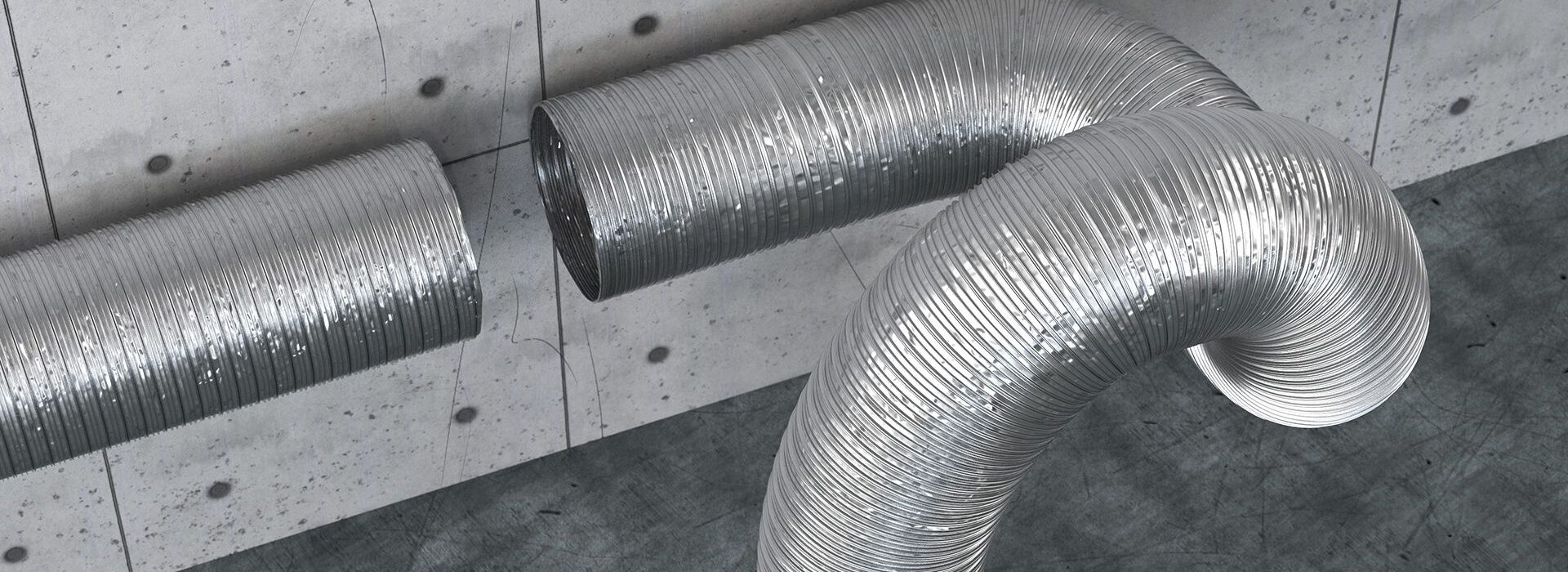
The type of ducting you opt for is crucial in the production of an effective and dependable HVAC system. When it comes to the type of ducts, there are two primary types of systems available for use, these are flexible and rigid. Hard ducts have been traditionally used for HVAC, and flex is being used more frequently as time goes on thanks to saturation with benefits. This blog is going to take an in-depth look at why flexible duct hoses are better than rigid ones that you’ll get a through an understanding of the topic, and also how it’s connected with crucial parts like flexible air duct connectors, flexible duct exhaust fans and material for insulation flex duct. By the time you finish reading, you will also know why you need to choose flexible ducts for your HVAC system to function as expected.
What Is a Flexible Ducting Hose?
A flexible ducting hose is an HVAC component that contains materials such as vinyl, polyester, and aluminum in order to allow air to move around within the duct. Unlike inflexible ducts, which are made of sheet metal and need to be customized to fit into awkward spaces, flexible ducts can be easily routed around objects in the way, and pose less of a risk for surface damage. This maneuverability allows them to be installed in areas where rigid ducts never could.
Ducting hoses are used in a variety of applications, including fume and dust collection; ventilation; and material handling among others. For its part, an inflexible duct is more permanent, requires an exact installation and doesn’t handle curves, corners or other obstructions as well.
Benefits of Using Flexible Ducting Over Rigid Ducts
When it comes to choosing between flexible ducts and rigid ducts, the advantages of flexible ducting are clear. Let’s break down the key benefits that make flexible ducts the superior choice for HVAC systems:
Ease of Installation
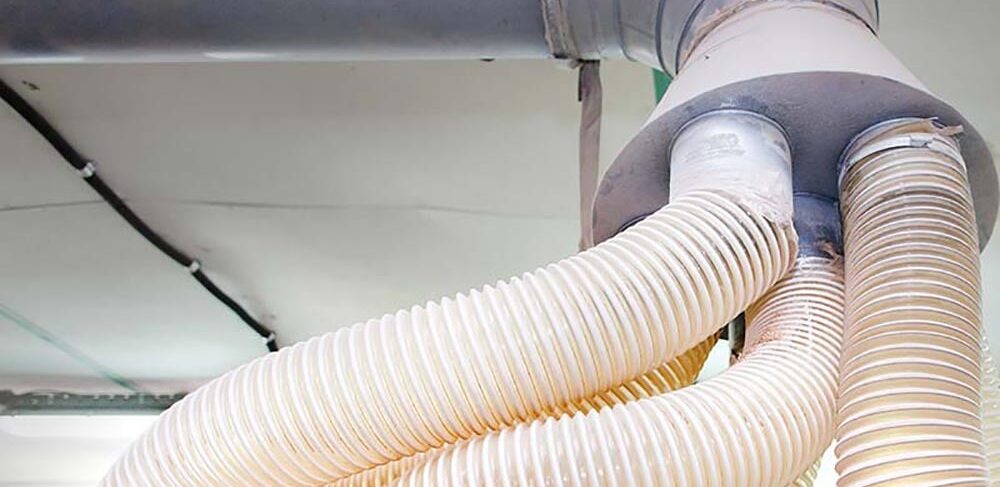
The ease of installation is one of the greatest benefits flexible ducting hoses offer. Whereas traditional, rigid ducts demand careful measurements and cutting to fit the space, flexible ducting can be bendable, coated in insulation, and shaped around barriers and other obstacles. This results in a substantial labor time and installation cost savings. Whether you are a DIY enthusiast or an individual hiring an expert, the installation of flexible ducts is fast and simple.
The flexible duct connectors can also connect the ductwork to other parts, such as air handlers, vents, fans and so on which facilitate an easy installation.
Better Airflow Efficiency
Ducts Normally, flexible ducts provide superior airflow to rigid ones. Ways flexible ducts can be installed and still deliver airflow with minimum restriction. Rigid ducts, on the other hand may include sharp corners and joints that are more complicated, causing friction and a reduction in airflow. Some people will need to put this restriction on, and then the HVAC unit has to work harder than what is needed, burning more energy in the process.
By minimizing airflow resistance, flexible ducting reduces the overall energy consumption of your HVAC system, increasing its efficiency while also keeping utility costs to a minimum.
Noise Reduction
Another benefit of flexible ducting hoses is – they lower noise. The soft material used to make these ducts is effective in absorbing vibrations, which vibrates as the sound waves pass through and subsequently will dampen them by dissipating their energy while allowing air to continue to flow uninterrupted. Stiff ducts, in contrast, also tend to increase noise, as their hard materials can generate noisy HVAC systems – for homes or offices.
Cost-Effective
Though solid ducts may seem stronger, flexible ducts are typically cheaper. Not only is the material cheaper, but the installation also goes in quicker which will decrease labor charges. Moreover, flexible ducts are more convenient to transport so that the shipping cost can also be saved.
In addition, flexible duct insulation can also increase the energy efficiency of your HVAC unit saving you money on your energy bill by preventing heat loss or condensation.
Key Components of a Flexible Ducting System
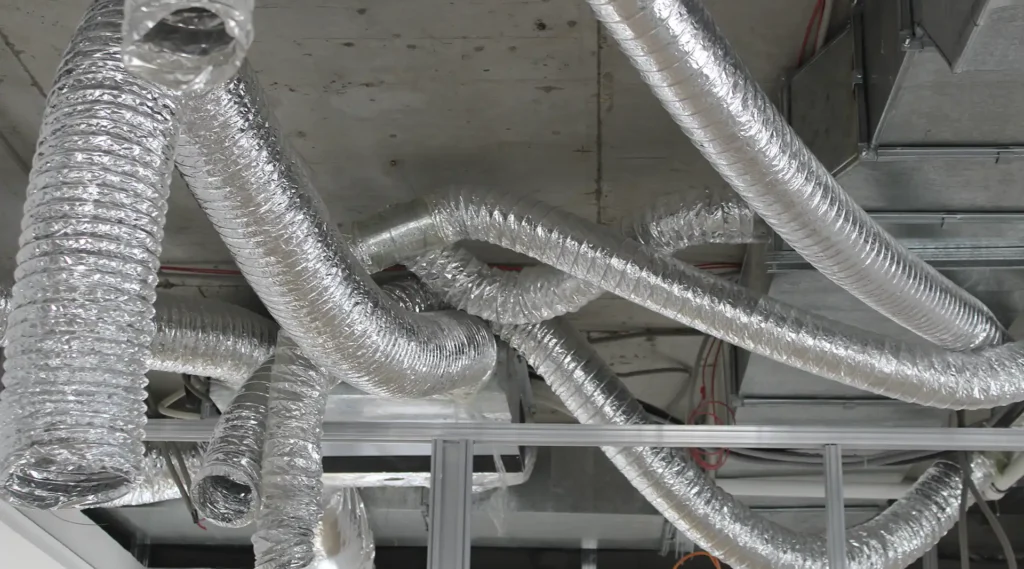
A typical flexible ducting system includes several key components that work together to ensure smooth and efficient airflow. These components include:
Flexible Duct Connectors
Flexible duct connectors connect flexible ducts to other parts of the cooling system, such as air handlers, ducts or terminal devices. Connecting parts It can easily make a duct and install/disassemble it while ensuring air tightness. Both of these connectors are essential to the performance of your system.
Flexible Duct Insulation Material
Ducting is covered with a flexible duct insulation material to achieve efficiency in energy. This insulation keeps heat from escaping, and condensation at bay, keeping the air inside the ducts precisely as warm or cool as you need it. It also helps keep the air in the ducts at its optimal temperature so your HVAC system runs as smoothly as possible.
Furthermore, insulation in a flexible duct helps deter problems like mold lines from occurring and can also decrease the potential for leaks of conditioned air (so that your system doesn’t have to work harder).
Exhaust Fan Flexible Duct
This flexible duct from iPower is designed to be used with exhaust fans, which are usually installed in kitchens, bathrooms and so on. The ducts channel air and moisture out of the building, so there’s no excess moisture that can lead to mold or mildew. With these flexible ducts, it is easy to hook up and to adjust all the airflows, including any problematic areas where ventilation is needed but rigid ducts would not fit.
HVAC Components
HVAC Parts HVAC stands for heating, ventilation and air conditioning adapted to reflect an added concept of air cleaning. All the components that make up a central HVAC System. These parts are the air handler, compressor, evaporator coils, ducts(rigid or flexible), vents and filters. When it comes to choosing other components such as flexible ducting, make sure to select compatible options that work well with other HVAC Components for the most effective and efficient performance.
Duraflex Flexible Duct
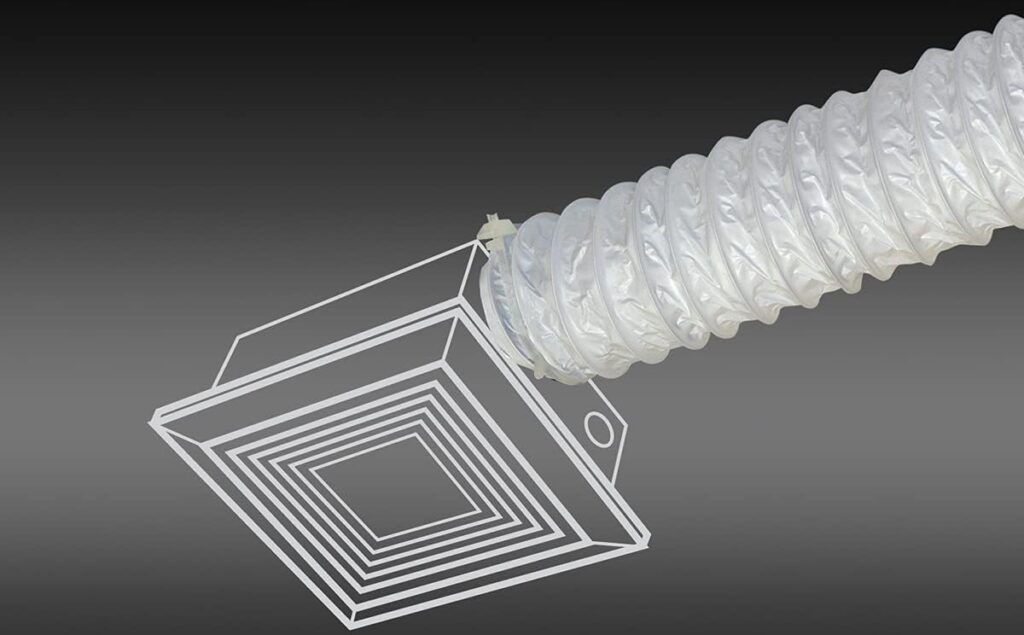
Duraflex flexible duct is a high-quality type of flexible duct that is known for its durability and strength. Made from reinforced materials, it offers better resistance to punctures, tears, and other forms of damage compared to standard flexible ducts. This makes it ideal for both residential and commercial applications where longevity and reliability are key.
Flexible Ducting vs. Rigid Ducts: A Comparison
While both flexible ducts and rigid ducts have their advantages, there are several factors that make flexible ducts the preferred choice in most situations. Let’s take a closer look at the key differences:
Flexibility and Space Efficiency
Flexible Ducts are flexible hoses inserted inside rigid duct work. That’s the reason, flexible ducts turn out to be a better option while working in non-uniform buildings or less space or obstacle problems. They can be flexed around a corner, through an obstruction and even laced through existing structures. Conversely, rigid ducts are difficult to manipulate and require more elbow grease when installing them in tough places.
Durability and Maintenance
While rigid ducts are generally more durable and long-lasting, Duraflex flexible ducts offer a comparable level of durability and resistance to damage. Flexible ducts are also easier to maintain because they can be cleaned or replaced more easily than rigid ducts.
Cost and Installation
As mentioned earlier, flexible ducts are more cost-effective in terms of both material and installation. Since they are easier to install and require less labor, the overall cost of setting up a flexible ducting system is significantly lower than installing a rigid duct system.
Why Should You Choose Flexible Ducting Hose for Your HVAC System?
Now that we’ve explored the benefits of flexible ducting hoses in comparison to rigid ducts, let’s summarize why they are the best choice for most HVAC installations:
- Flexibility and Versatility: Flexible ducts can be bent and shaped to fit tight spaces and curves, making them ideal for a variety of installations.
- Better Airflow Efficiency: Flexible ducts help improve energy efficiency by minimizing airflow restrictions.
- Quieter Operation: Flexible ducting helps reduce vibrations and noise in the HVAC system.
- Cost-Effective and Quick Installation: Flexible ducts are more affordable and quicker to install compared to rigid ducts.
- Durable and Reliable: Duraflex flexible ducts offer the durability and strength needed for long-lasting performance.
Why Choose Airlution for Flexible Ducting Hose and HVAC Solutions?
At Airlution, we are experts in delivering higher-quality HVAC solutions and services that help to keep your home or business comfortable and running efficiently. Backed by years of experience in the field, we provide a diverse range of services – from flexible ducting hoses to rigid ducts and other HVAC components. We provide a complete line of services designed to keep your HVAC system running smoothly for less money, and with higher efficiency.
Whether you are retrofitting an existing system or designing for your new home construction, our dedicated staff is committed to provide you with the most efficient and affordable system! We prioritize providing you with products and services that can prolong the life of your system, save you money on energy and maintenance fees long term. Get in touch with Airlution for your trusted, and affordable HVAC services in Los Angeles. Good service, great work!
Conclusion: Flexible Ducting Hose is the Clear Winner
So in summary, these flexible ducting hoses are perfect if you want to install or upgrade your HVAC system. They provide considerable advantages in ease of installation, efficiency, acoustic attenuation and economies. Coming with the additional benefits of flexible duct connectors, exhaust fan flexible ducts and more, flexible ducting allows your heating and cooling system to work at its maximum.
Whether you are installing new air conditioning systems or replacing old ones, consider using flexible ducting hoses. These ducts will give you an air conditioning system that’s more efficient, affordable, and quiet while still providing your family with dependable comfort for years.
FAQs
Q1. What is a Flexible Ducting Hose and How Does It Work?
A flexible ducting hose is a bendable tube used to transport air in HVAC systems. It is easier to install and fit into tight spaces compared to rigid ducts.
Q2. Why Should I Choose a Flexible Ducting Hose Over Rigid Ducts?
Flexible ducts are more cost-effective, easier to install, and provide better airflow efficiency. They can also reduce noise and fit into complex spaces.
Q3. How Long Does a Flexible Ducting Hose Last?
High-quality flexible ducts can last 10-20 years with proper maintenance. Regular cleaning helps extend their lifespan.
Q4. Can Flexible Ducting Hoses Be Used for Exhaust Systems?
Yes, flexible ducting hoses are ideal for exhaust systems, including kitchen and bathroom ventilation, handling moisture and air pressure efficiently.
Q5. Do Flexible Ducting Hoses Require Insulation?
Yes, flexible duct insulation material helps maintain air temperature, prevents heat loss, and improves energy efficiency by reducing condensation.