
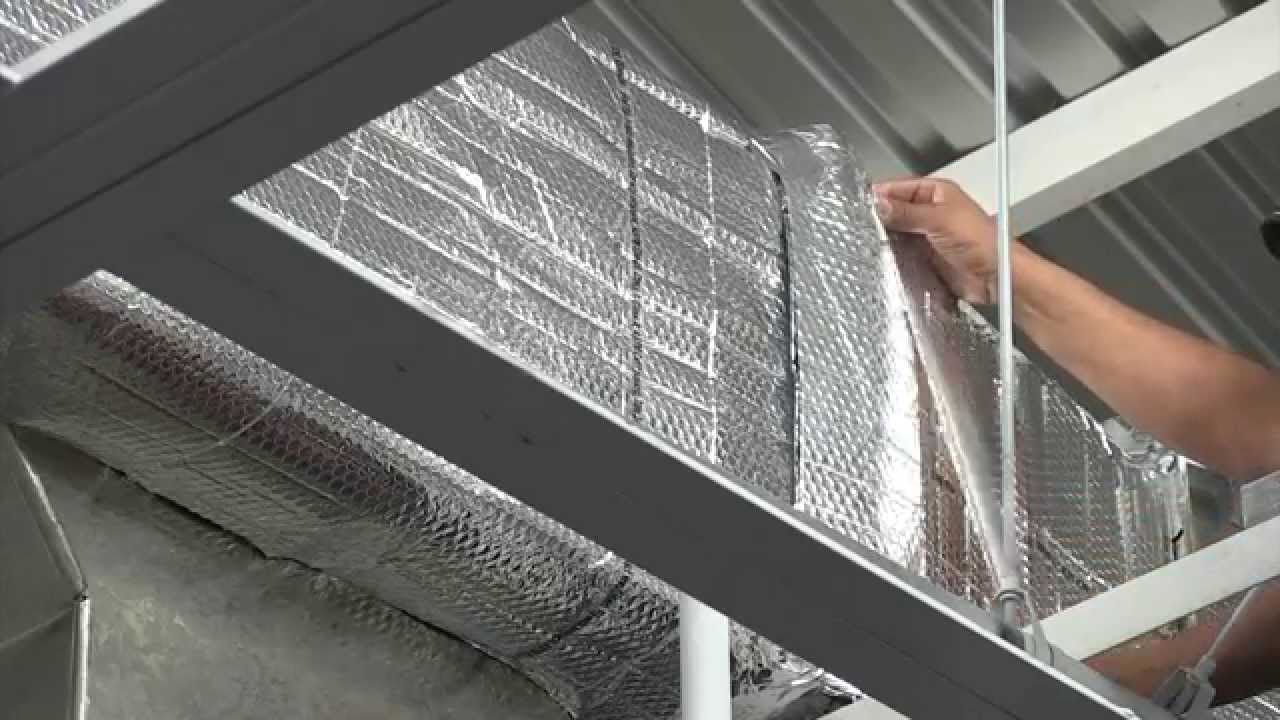
When it comes to maintaining HVAC systems, many people don’t think about duct tape insulation. However, duct insulation is one of the most crucial aspects of a home or business’s heating and cooling system. Ductwork that’s not properly sealed or insulated can lead to significant energy loss, discomfort, and even damage to your HVAC system. This guide will explore everything you need to know about duct tape insulation, including the types of tape used, why insulation is important, and how to apply it effectively.
While duct tape is often used in everyday situations, it’s important to understand the difference between regular duct tape and duct insulation tape. Using the wrong tape or failing to insulate ducts properly can lead to increased energy consumption, higher bills, and poor system performance. Let’s dive into the details and see how you can properly insulate and seal your ducts.
Duct Insulation Tape vs. Regular Duct Tape
There is often confusion between duct tape and duct insulation tape, as the names sound similar, but they are very different products.
- Regular Duct Tape: This is the kind of tape that’s typically found in households for general repairs. While it’s strong and versatile for minor fixes, regular duct tape is not made for HVAC systems. It doesn’t have the necessary properties to withstand the high temperature and air pressure within ductwork. It also doesn’t provide an airtight seal, which is essential for HVAC systems. Using regular duct tape on your ducts can result in air leakage, inefficient heating or cooling, and wasted energy.
- Duct Insulation Tape: On the other hand, duct insulation tape is designed specifically for HVAC applications. It is a foil-facing tape that can resist extreme temperatures and provide a secure, airtight seal. This type of tape is used to seal joints, seams, and connections in ducts to prevent air leaks. Duct insulation tape is crucial for maintaining energy efficiency in your home or business and improving the overall performance of your HVAC system.
- Duct Seal: In addition to duct insulation tape, duct seal is another important material used for sealing joints, seams, and gaps. Duct seal is typically a thick, rubber-like material that helps ensure a tight seal, preventing air from escaping through leaks. This is particularly important for larger gaps or areas where traditional tape may not be sufficient
Always make sure to use duct insulation tape that complies with industry standards for HVAC applications. This will help ensure that your system operates efficiently and lasts longer.
Why Duct Insulation is Important
Insulating your ducts properly is not just about keeping your system working — it’s about optimizing performance, improving comfort, and reducing energy costs. Here’s why duct tape insulation is so important:
Reduces Energy Loss: According to the U.S. Department of Energy, ducts in unconditioned spaces like attics or crawl spaces are often the biggest culprits of energy loss in HVAC systems. Proper insulation helps prevent heated or cooled air from escaping the ducts and entering spaces where it isn’t needed. By insulating your ducts, you can save up to 30% on energy bills.
Increases System Efficiency: When ducts are properly sealed and insulated, your HVAC system doesn’t have to work as hard to maintain the desired temperature. This means the system runs more efficiently, consumes less energy, and lasts longer, reducing the need for frequent repairs or replacements.
Improves Comfort: Insulating your ducts helps regulate the temperature more consistently throughout your home or business. Without insulation, you might experience hot or cold spots as air escapes from unsealed or poorly insulated ducts. Proper insulation ensures that air travels efficiently, so every room stays at a comfortable temperature.
Prevents Condensation: Without proper insulation, ducts in cold or humid areas can accumulate moisture, leading to condensation. This moisture can cause mold growth and damage the ducts, insulation, and even surrounding areas. Insulating your ducts prevents moisture from accumulating, keeping your home or business safe from mold and mildew.
Improves Indoor Air Quality: Sealing and insulating your ducts can help prevent dirt, dust, and other contaminants from entering your HVAC system. This improves the quality of air circulating through your home or business, which is especially important for people with allergies or respiratory issues.
The Role of a Duct Fitter
A duct fitter is a professional who installs, repairs, and maintains HVAC ductwork. Duct fitters play an essential role in ensuring your ductwork is sealed and insulated properly. They are responsible for ensuring that all ducts are installed correctly and that all joints and seams are sealed with the right materials, such as duct insulation tape.
A duct fitter can also help with:
- Assessing Duct Leaks: If you suspect that your ducts are leaking air, a duct fitter can perform a thorough inspection to identify where air loss is occurring. They can then seal the leaks using duct insulation tape and other materials to improve system efficiency.
- Proper Installation: Duct fitters are also experts in the installation of new ducts and insulation. They will ensure that your ducts are installed correctly, with the proper materials and techniques, to optimize air flow and efficiency.
- Maintaining Codes: Building codes for HVAC systems can be complicated, but duct fitters are trained to follow local regulations. They ensure that your ductwork meets all necessary standards for safety, efficiency, and performance.
Best Practices for Duct Tape Insulation
To ensure that your ductwork is properly insulated, follow these best practices:
- Seal Joints and Leaks First: Before applying insulation, always seal the ducts at the joints, seams, and other openings using duct insulation tape. This prevents air from escaping through gaps, making your insulation more effective.
- Choose the Right Tape: Make sure to use duct insulation tape that meets HVAC standards. Foil-faced tape is ideal for sealing ducts because it can handle high temperatures and provide a secure, long-lasting seal. Avoid using regular duct tape, which will not provide the necessary sealing properties for HVAC systems.
- Select Proper Insulation: The type of insulation you choose depends on the location of your ducts. If your ducts are in unconditioned spaces, thicker insulation with a higher R-value will provide better energy savings.
- Install Insulation Correctly: Insulation should be tightly wrapped around the ducts, with seams and edges properly sealed. This ensures that there are no gaps where air can escape. Make sure to secure the insulation with tape, straps, or other fasteners to prevent it from shifting over time.
- Inspect Regularly: Over time, insulation and tape can degrade due to wear and tear or exposure to moisture. Be sure to inspect your ducts periodically and make repairs as needed to maintain optimal performance.
Common Mistakes to Avoid
While insulating and sealing your ducts is an effective way to improve system performance, there are some common mistakes that can reduce the effectiveness of your efforts:
- Using Regular Duct Tape: As mentioned, regular duct tape is not designed for use in HVAC systems and can lead to air leaks and inefficiencies. Always use duct insulation tape to ensure an airtight seal.
- Ignoring Leaks: Even if your ducts are insulated, leaks can still allow air to escape, reducing the overall efficiency of the system. Be sure to seal all leaks and joints before insulating.
- Incorrect Insulation: Using insulation that is too thin or has an insufficient R-value can make it less effective at preventing heat loss. Make sure to choose insulation with the right thickness and R-value for your specific needs.
- Not Inspecting the Ducts: Ducts can become damaged over time due to wear and tear or environmental factors. Regular inspections are necessary to identify and repair any issues before they become major problems.
How Much Can You Save?
Properly insulating and sealing your ducts can save you a significant amount on your energy bills. According to the U.S. Department of Energy, unsealed or poorly insulated ducts can account for up to 30% of energy loss in a home. By ensuring that your ducts are properly insulated and sealed, you can reduce energy waste and save money on your heating and cooling bills.
When to Consider a Professional
While DIY duct insulation is possible, it may be best to hire a professional duct fitter for the following reasons:
- Difficult Access: If your ducts are in hard-to-reach areas like attics or crawl spaces, a professional will have the tools and experience to handle the job safely and efficiently.
- Code Compliance: HVAC systems must meet certain building codes, and a professional duct fitter can ensure that your system is up to code.
- Expertise: Duct fitters have the expertise to identify problem areas, recommend the best materials, and install insulation properly to maximize efficiency.
Conclusion
Duct tape insulation plays a crucial role in ensuring that your HVAC system operates efficiently, reduces energy consumption, and increases comfort. By using the right materials and proper installation methods, you can extend the lifespan of your HVAC system and save money on energy bills. If you’re unsure about sealing or insulating your ducts, consulting a professional is always the best choice. For expert assistance, Airlution provides reliable duct insulation solutions with high-quality materials and professional support—improving comfort, efficiency, and long-term performance of your system. For more details, Contact Us at Airlution anytime..