

The axial fan on a duct is an important accessory in today’s HVAC systems by helping increase the flow of air throughout and reduce energy costs. They are made to blow quiet and efficient air inside the duct, which is critical in maintaining comfort, saving money on utility bills, and doing so without any wasted energy. In this post, we will be discussing the lowest common denominator up to the size of duct fans, duct axial fans with reference to other important HVAC elements such as sizing ducts, air-conditioning and heating plenums (but not simply the all-in-one housing at a public building’s entrance), and exhaust fan flexible ducts. We’ll also learn why these are fundamental when integrating them to build a high performing, energy efficient HVAC system.
What Is a Duct Axial Fan?
A specific type of fan that moves air in the direction parallel to its blade axis. These centrifugal fans blow air at a right angle to the fan extension, but axial ducts are applicable to high flow low pressure. Large inline fans are well suited for larger duct systems where high efficiency and low noise matter.
The duct axial fan is often employed in HVAC systems to increase airflow performance. These duct fans can come in handy if air needs to be carried long distances or through a sprawling duct system. Duct axial fans make efficient air conditioning and heating possible with reduced energy consumption which lowers down your bills and increases the performance of a system.
The Importance of Duct Sizing for HVAC Efficiency

Proper duct size is all the more important for a system optimising HVAC. Duct Sizing The calculation for duct is a complex one. This calculation can be done to decide the size of a fan required to attain comfortable levels without making noise. If larger than necessary, the duct axial fan will be wasting energy pushing air through an oversized duct. Conversely, oversized ducts can result in poor airflow and energy loss.
If you size your ducts correctly, the air will move more freely through the system requiring less power. Correct duct sizer also enables the duct axial fan to perform at optimal efficiency, putting less pressure on the fan and saving energy.
The Role of Flexible Duct Connectors in Energy Efficiency
When it comes to improving the performance of an HVAC system, flexible duct connectors make a huge difference. These connectors serve to connect different portions of the ducting, such as a fan and the ducts per se. The advantage of being flexible allows for easier installation in addition to being less expensive.
Flexible duct connectors are also known in the art for preventing air leakage – a major problem often encountered by heating, ventilation and air conditioning (HVAC) systems. And even tiny leaks in the ductwork can lose a lot of energy as treated air seeps through the openings. Perhaps selecting flexible duct connectors could reduce air leakage and help air to flow with less effort in the ducts.
Duct Plenums: Enhancing Air Distribution and Energy Efficiency
As a part of HVAC systems, a duct plenum is utilized as the center distributing chamber for air. They are most commonly found at the beginning or end of ductwork and direct air into the ducts. Plenums keep equal airflow throughout the duct, allowing for even air distribution across all points in the building.
Conjunction with a fan installed in the duct, duct plenums are critical to facilitating sufficient airflow. They are designed to direct airflow without turbulence, by ensuring proper distribution of air amongst ducts. This helps system efficiency by saving energy to help move air through the system.
Exhaust Fan Flexible Ducts for Better Ventilation
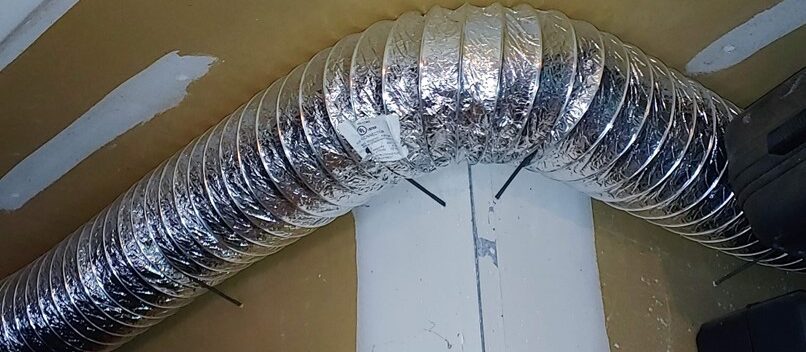
Use flexible ducts from Grainger for your heating and cooling systems that require simple bends rather than curves. Exhaust fans not only keep the indoor air in a space cool, but also removes stagnant and impure air so that fresh air can enter into the living area. These fans are frequently installed in places such as kitchens, bathrooms, and commercial spaces where ventilation is important.
Fan ducts Flexible hose to fit the exhaust fans and run from the fans to a piece of. These ducts are meant to be collaborative and they are perfect for those areas where rigid ducts won’t work. And when paired with the duct axial fan, exhaust fan flexible ducts significantly improve overall performance of the HVAC system in terms of better air control and ventilation.
Ducted Dehumidifiers: Improving Indoor Air Quality and Energy Efficiency
A ducted dehumidifier is a mechanical appliance, which regulates the humidity in a building. Too much humidity in the air can cause numerous problems such as mold, discomfort and bad indoor air quality. How ducted dehumidifiers work Ducted dehumidifiers extract moisture from the air while it is pulled through the ducts, maintaining comfortable dryness.
Used in conjunction with duct axial fans, ducted dehumidifiers help to save energy by ensuring the humidity is at its best level possible and do not overload HVAC systems. Combining a duct axial fan with a ducted dehumidifier will make it possible for the unit to be properly efficient, saving you energy costs while keeping your home comfortable.
Key HVAC Components and Their Roles in duct axial fan
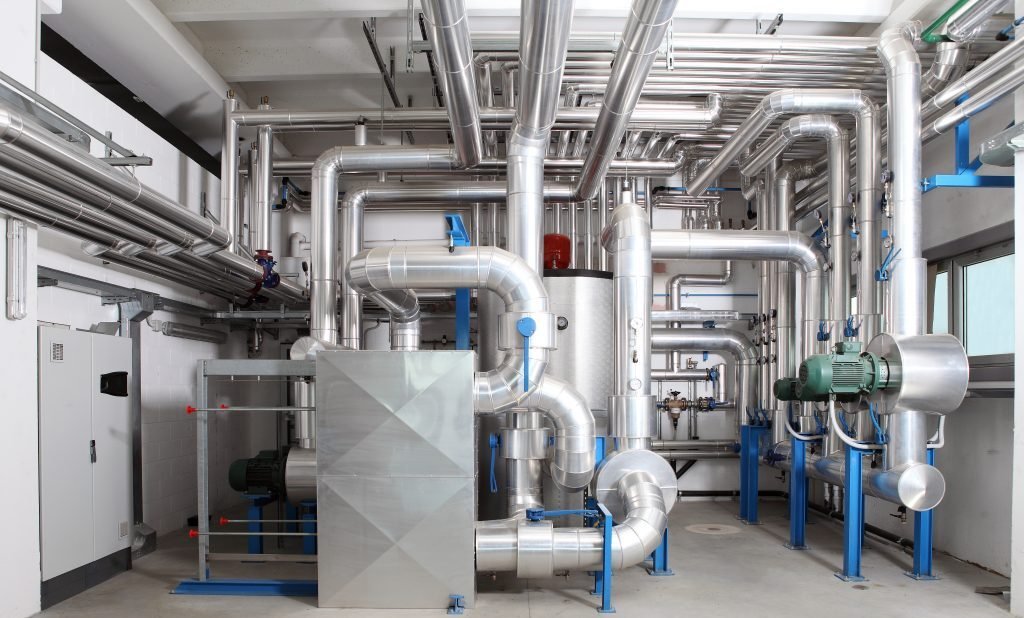
HVAC components are the building blocks of any heating, ventilation, and air conditioning system. These components work together to ensure optimal airflow, temperature control, and energy efficiency. Key HVAC components include items like duct axial fans, plenum boxes, flexible ducts, and AC vents, each playing a unique role in delivering conditioned air throughout a building.
- Plenum Box HVAC: The plenum box HVAC distributes air from the air handler (AHU) into the ducts. It ensures even airflow, and when combined with a duct axial fan, it helps optimize performance and reduce energy consumption.
- AC Vent: AC vents deliver conditioned air into rooms. Working with the duct axial fan, they ensure that air is evenly distributed and efficiently flows through the system, enhancing comfort and reducing energy use.
- Fan Coil Duct : The fan coil duct directs air into the fan coil unit for efficient temperature regulation. Paired with the duct axial fan, it ensures smooth airflow, improving heating or cooling efficiency while cutting down energy consumption.
- Flexible Ducting Hose: Flexible ducting hose connect various HVAC components and reduce airflow resistance. By improving airflow efficiency and reducing energy use, they work in tandem with the duct axial fan to optimize the HVAC system’s performance.
How Duct Axial Fans Help Reduce Energy Consumption
Despite many advantages, the greatest advantage of using a duct axial fan in an HVAC D system is to lower energy consumption. They are axial fans capable of overcoming resistance to airflow, which makes them more efficient than centrifugal fans.
With better air flow and less load on the HVAC system, the duct set in-line fans will help the system to function at full efficiency. This lowers the amount of energy needed to regulate indoor temperature, which means saving on heating and cooling costs while being kinder to the environment.
Lower Energy Costs with Duct Axial Fans
The most significant benefit of using a duct axial fan is the reduction in energy costs. Duct axial fans are more energy-efficient than other types of fans, as they are designed to move air with minimal resistance. This means that the HVAC system does not need to work as hard to achieve the same airflow, resulting in lower energy consumption.
By reducing the amount of energy required to move air through the ducts, duct axial fans help reduce the overall energy consumption of the HVAC system. This leads to significant savings on utility bills, making them a cost-effective choice for homeowners and businesses alike.
Sustainable HVAC Solutions with Duct Axial Fans
But there is another added benefit to duct axial fans: helping the environment. These fans consume less energy so they also help reduce greenhouse gases which make them environmentally friendly and a sound choice for HVAC applications. Adding new duct axial fans into your HVAC fan system is an easy step toward reducing your carbon footprint, and a contribution towards creating a more sustainable environment.
Conclusion
In summary, it is necessary to develop the duct axial fans to enhance air flow and decrease power consumption in HVAC industries. Maximizing air flow and minimizing friction to reduce fan power consumption, which helps save energy and improve overall system efficiency.Cut down on operating costs. When used in conjunction with other HVAC products such as duct fans, flexible duct connectors, and duct plenums they even further improve the indoor air quality and efficiency of your HVAC.
At Airlution, we provide high-quality HVAC solutions like duct axial fans and critical components to help businesses and residents maximize energy savings, reduce environmental footprint and ensure clean air. Contact us today to learn what our products can do for you and your HVAC system.
FAQs
Q1. What are duct axial fans, and how do they work in HVAC systems?
Duct axial fans move large volumes of air through ducts, drawing air in and pushing it along the fan’s axis for efficient airflow in HVAC systems.
Q2. Why should I choose a duct axial fan for my HVAC system in KSA?
In KSA, duct axial fans provide high airflow, reduce energy consumption, and maintain indoor comfort in hot climates.
Q3. How can duct axial fans improve energy efficiency in HVAC systems?
They reduce energy consumption by ensuring smooth airflow with minimal resistance, lowering overall energy usage and costs.
Q4. Can duct axial fans be used in both residential and commercial HVAC systems in KSA?
Yes, they are suitable for both residential and commercial HVAC systems in KSA, ensuring optimal performance and comfort.
Q5. What maintenance is required for duct axial fans in KSA’s climate?
Regular cleaning, motor checks, and duct inspections are necessary to prevent dust buildup and ensure efficiency in KSA’s hot climate.