
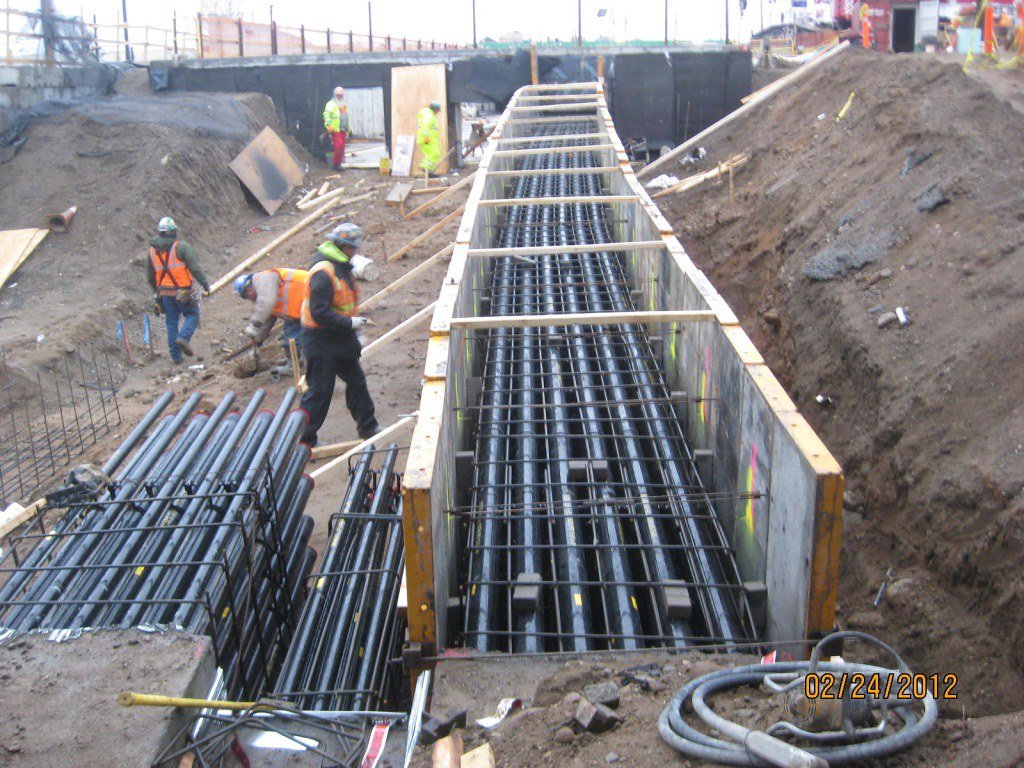
When we talk about reliable HVAC systems, one important element that often gets less attention is the Concrete Duct Bank. This structure plays a vital role in protecting ducts and ensuring smooth HVAC ducting work. From small residential setups to massive commercial projects, the need for a strong and well-installed duct bank is undeniable. In this guide, we will take you through everything you need to know about concrete duct banks, how they support duct installation services, the role of duct connectors, and how they work together with ducted air condition systems. By the end of this blog, you will have a clear understanding of why concrete duct banks are essential and how professional services can save you both time and money.

What is a Concrete Duct Bank?
A concrete duct bank is a specially designed system that houses and protects multiple ducts within a solid layer of concrete. These ducts may carry electrical cables, mechanical lines, or HVAC systems that are essential for the smooth operation of buildings. By surrounding the ducts in concrete, they stay safe from external forces such as soil pressure, moisture, corrosion, and accidental damage that could otherwise lead to costly repairs. Concrete duct banks are commonly used in commercial and industrial HVAC systems, large-scale construction projects, and even residential buildings that rely on ducted air condition systems. The main purpose of this structure is simple yet important: to provide long-term durability, enhanced safety, and overall efficiency. Without the use of a concrete duct bank, ducts remain exposed to risks of wear and damage, which not only reduces their performance but also increases maintenance costs over time.
Importance of Concrete Duct Bank in HVAC Ducting Work
HVAC systems depend heavily on proper airflow and secure ducting channels. A poorly installed duct can easily leak, bend, or even break, which directly reduces the efficiency and performance of the system. This is where a concrete duct bank plays a critical role. It not only provides a strong structure but also ensures long-lasting support for the ducts. Here are some key reasons why it matters:
- Protection from damage – A concrete duct bank acts as a solid shield that protects ducts from environmental factors like moisture, soil pressure, and temperature changes. It also safeguards against mechanical stress such as accidental drilling, heavy loads, or construction activities around the ducts.
- Efficient airflow – With ducts properly aligned and secured inside a duct bank, the airflow remains smooth and unobstructed. This reduces energy loss, prevents unnecessary strain on the HVAC system, and ensures consistent cooling or heating performance throughout the building.
- Cost savings – While installing a concrete duct bank requires more investment in the beginning, it significantly reduces repair and replacement costs in the long run. The ducts are well-protected, meaning fewer chances of leakage, corrosion, or physical damage that could lead to expensive maintenance.
- Safety compliance – Concrete duct banks meet safety standards and building codes required for professional HVAC ducting work. They minimize the risk of fire hazards, electrical faults, or system breakdowns, making them a safer choice for both residential and commercial projects.
- Flexibility – One of the biggest advantages of a concrete duct bank is that it can support different types of duct depending on the project requirements. Whether the system uses sheet metal ducts, flexible ducts, or ducted air condition systems, the duct bank can be designed to fit them securely.
Types of Duct in HVAC Systems
Before we dive deeper into installation, let’s quickly look at the types of duct commonly used in HVAC ducting work.
- Sheet Metal Ducts – Sheet metal ducts are made of galvanized steel or aluminum. These ducts are strong, durable, and widely used in both residential and commercial HVAC systems because they can handle high pressure and last for many years.
- Flexible Ducts – Flexible ducts are lightweight and easy to install, making them a cost-effective choice. These ducts are especially useful in tight spaces where rigid sheet metal ducts cannot be installed. Flexible ducts also reduce installation time significantly.
- Fiberboard Ducts – Fiberboard ducts are known for their good insulation properties, which help in maintaining energy efficiency. These ducts are often used in budget-friendly projects where cost-saving and basic insulation are priorities.
- Fabric Ducts – Fabric duct are an excellent choice for large open areas like gyms, auditoriums, or factories. Fabric ducts distribute air more evenly across a space, which improves indoor comfort and makes them ideal for wide spaces.
- Concrete Duct Banks – Concrete duct banks provide maximum protection for ducts in large-scale projects. By encasing ducts in concrete, these duct banks ensure safety, durability, and efficiency, making them perfect for high-demand HVAC applications.
Each type of duct has its own unique advantages. However, when strength, protection, and long-term safety are the top priorities, concrete duct banks remain the most reliable choice.
Role of Duct Connector in Concrete Duct Bank Systems
A duct connector may look small, but it plays a very important role in HVAC ducting work. The main purpose of a duct connector is to join different duct sections together securely while also reducing vibration and unwanted noise in the system.
When a duct connector is used with a concrete duct bank, it provides several advantages:
- Strong joint alignment – Duct connectors keep the ducts firmly in place, ensuring that all sections are properly aligned inside the duct bank.
- Reduced air leakage – By sealing the joints tightly, duct connectors prevent air from escaping, which improves overall energy efficiency.
- Better performance of ducted air condition systems – With fewer leaks and stronger alignment, ducted air condition systems deliver consistent airflow and work more effectively.
As a result, your HVAC system operates more smoothly, runs more quietly, and maintains higher efficiency for a longer time.
Benefits of Professional Duct Installation Services
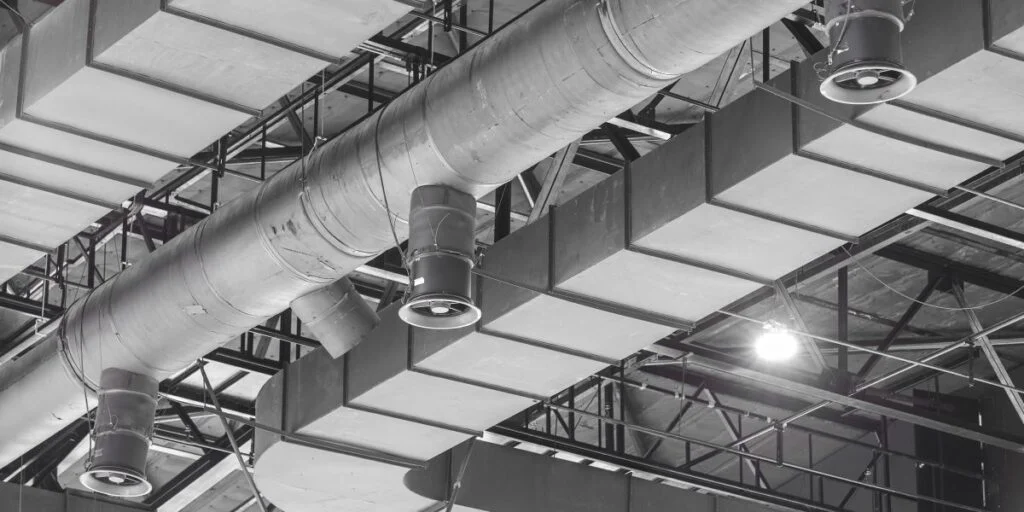
While many people may think that duct installation is an easy task, the reality is that it requires proper skill, technical knowledge, and hands-on experience. That’s why choosing professional duct installation services in Saudi Arabia or anywhere else is so important. Expert services ensure:
- Correct placement of ducts inside the concrete duct bank – Professionals carefully position the ducts to ensure smooth airflow and long-term durability.
- Use of quality duct connectors for long-lasting joints – High-grade duct connectors are used to keep ducts aligned and secure, which reduces leakage and vibration.
- Compliance with HVAC safety standards – Installation is carried out according to industry safety codes, giving you peace of mind.
- Faster project completion with minimal errors – Skilled technicians work efficiently, reducing delays and costly mistakes.
- Long-term warranty and reduced maintenance – Reliable services often include warranties and ensure that your system requires less maintenance in the future.
By hiring experts, you are not just paying for installation—you are investing in the safety and performance of your system.
Concrete Duct Bank vs Other Types of Ducting Work
1. Durability
- Concrete Duct Bank: Known for its extremely high durability because the ducts are fully covered and supported by a thick layer of concrete. This protection makes them resistant to soil pressure, environmental conditions, and physical damage, which ensures a much longer lifespan.
- Other Duct Types (Metal, Flex, Fiberboard): Their durability depends on the material. While metal ducts may last longer than flex or fiberboard, they are still prone to rust, bending, and external damage. Flexible and fiberboard ducts usually wear out faster, especially in harsh environments.
2. Maintenance
- Concrete Duct Bank: Once installed properly, it requires very little maintenance. Since the ducts are secured inside the concrete, they are protected from most common issues like leaks, dents, or cracks. This reduces the need for regular servicing.
- Other Duct Types: Require frequent maintenance because they are more exposed. Flexible ducts can easily tear, metal ducts may develop leaks over time, and fiberboard ducts can get damaged by moisture or pests.
3. Installation Cost
- Concrete Duct Bank: The initial installation cost is higher. This is because it involves excavation, duct placement, duct connectors, and pouring of concrete. It also requires skilled labor and more time to complete the work.
- Other Duct Types: Usually cheaper to install at the beginning. Flexible ducts are especially low-cost and quick to install, while metal ducts are moderate in price but still less expensive than concrete duct banks.
4. Long-term Savings
- Concrete Duct Bank: Offers excellent long-term savings. Since the system is well-protected, you avoid frequent repairs and replacements. Over time, the initial investment balances out with reduced maintenance costs.
- Other Duct Types: May look cheaper at first, but their frequent need for repairs, replacements, and energy inefficiency leads to higher expenses in the long run.
5. Safety
- Concrete Duct Bank: Provides top-level safety. It protects ducts from fire hazards, environmental pressure, accidental drilling, and even natural wear and tear. This makes it ideal for projects where safety is a priority.
- Other Duct Types: Safety levels vary. Metal ducts can handle moderate pressure but are prone to corrosion. Flexible ducts are highly vulnerable to tears, and fiberboard ducts can attract mold or get damaged by moisture.
Concrete Duct Bank in Ducted Air Condition Systems
For buildings that use ducted air condition systems, a concrete duct bank provides an excellent foundation. Since ducted systems rely on secure and airtight ducts for cooling efficiency, placing them inside a concrete duct bank ensures:
- No air leakage – Properly installed concrete duct banks prevent gaps or loose joints, keeping the air contained within the system and maintaining consistent cooling throughout the building.
- Longer system life – The protection offered by the concrete reduces wear and tear on the ducts, helping the HVAC system last for many years without major repairs.
- Better energy efficiency – By preventing leaks and maintaining smooth airflow, the system consumes less energy, which lowers operational costs.
- Quieter performance – Securely enclosed ducts reduce vibrations and noise, making the HVAC system operate much more quietly and comfortably.
This is why contractors often suggest concrete duct banks for modern air conditioning projects.
Common Mistakes to Avoid in Concrete Duct Bank Installation
- Poor duct alignment leading to air leakage
- Using low-quality duct connectors
- Skipping professional testing after installation
- Inadequate concrete curing time
- Ignoring safety standards
By avoiding these mistakes, you ensure a successful HVAC ducting project.
Why Choose Duct Installation Services in Saudi Arabia?
Saudi Arabia is known for large construction projects, from residential towers to commercial malls. With extreme weather conditions, HVAC systems need extra durability and professional care. This is why Airlution offers specialized services for concrete duct banks:
- HVAC Installation Services – HVAC Installation Services ensure proper placement of ducts inside the concrete duct bank, providing smooth airflow and long-lasting system performance.
- Air Conditioning Services – Air Conditioning Services help maintain efficient cooling and optimal indoor comfort while reducing energy consumption.
- Duct Customization & Fabrication – Duct Customization & Fabrication provides custom-designed ducts that fit perfectly inside concrete duct banks, ensuring durability and minimal air leakage.
- Maintenance and Repairs – Maintenance and Repairs keep the system running efficiently, extending the lifespan of both ducts and HVAC components.
Benefits in Saudi projects include:
- Protection against heat and sandstorms
- Long-lasting performance in harsh conditions
- Compliance with international building standards
Conclusion
A concrete duct bank is more than just a protective structure—it is the backbone of modern HVAC ducting work. From providing durability and safety to improving the efficiency of ducted air condition systems, its benefits are unmatched. By choosing professional duct installation services in Saudi Arabia or anywhere else, you can ensure your project meets high standards of safety and performance. With the right duct connectors, types of duct, and ducting work practices, a concrete duct bank can make your HVAC system reliable for years to come. If you are planning your next HVAC project, investing in a concrete duct bank installation is the smartest decision you can make. Contact us today to get expert assistance for your HVAC project.
FAQs
What is the purpose of a concrete duct bank?
It protects ducts from physical damage, ensures safety, and increases system durability.
Can concrete duct banks be used in residential projects?
Yes, especially for ducted air condition systems in large homes.
Are concrete duct banks expensive?
They may cost more initially but save money in long-term maintenance.
Do all HVAC systems need a concrete duct bank?
Not all, but for large and commercial projects, they are highly recommended.Who should I hire for concrete duct bank installation?
Who should I hire for concrete duct bank installation?
Always choose certified duct installation services with experience in HVAC ducting work.