
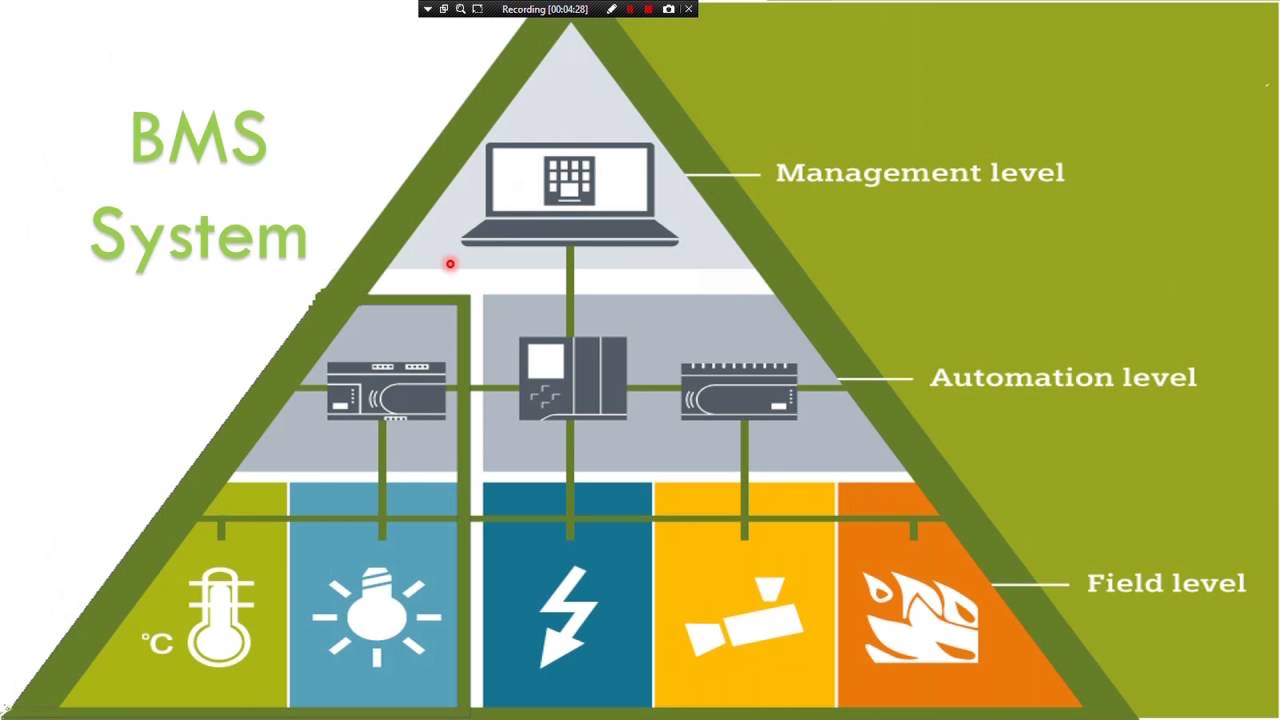
Electricity costs pose a huge problem for commercial buildings, hotels, hospitals, and industrial facilities across Saudi Arabia. While a BMS Control System is designed to improve efficiency and optimize building operations and overall energy consumption, the system can incur costs when it is misconfigured, settings are old, or the system is outdated. By learning about these issues and inconveniences, building and facility managers can save energy, reduce costs, and realize the full potential of their BMS Building Management System.
Common BMS Control System Problems and Solutions
Ineffective HVAC Scheduling
An example of substandard performance in the BMS control system is poor HVAC scheduling in buildings. Many air conditioning systems continue operation during non-working hours or in unoccupied building areas. This leads to wasted energy and increased utility costs. See full blog on bms system.
How to Fix It
Frequent assessment and updating of HVAC system schedules to match the actual patterns of occupancy can help mitigate this. A well-configured BMS system in HVAC can change the operational hours of its systems and improve energy efficiency.
Faulty Sensors
Temperature, humidity, and occupancy sensors play a critical role in building automation. When these sensors provide inaccurate readings, HVAC systems may operate inefficiently, increasing energy consumption and reducing occupant comfort.
How to Fix It
Perform routine inspections, testing, and calibration of all sensors to ensure accurate data and efficient system performance.
Poor System Integration
Many facilities use equipment from multiple manufacturers. If these systems are not integrated properly, communication problems can occur, making it difficult for the bms control system to manage building operations efficiently. Visit our page if you want to install hvac system with bms .
How to Fix It
Ensure all building systems are fully integrated and tested regularly to maintain smooth communication and optimal performance.
Lack of Regular Maintenance
A bms system requires ongoing maintenance to function effectively. Neglecting software updates, inspections, and system checks can gradually reduce efficiency and increase operating costs.
How to Fix It
Implement a preventive maintenance plan that includes regular inspections, updates, and performance evaluations.
Overriding Automated Controls
Building operators sometimes manually override automated settings for temporary adjustments and forget to restore them. This can cause HVAC equipment and other systems to run longer than necessary.
How to Fix It
Use access controls and monitor system logs regularly to identify and correct unnecessary overrides.
Inefficient HVAC Control Strategies
Outdated HVAC control strategies can force cooling systems to work harder than needed, especially during Saudi Arabia’s long and hot summer seasons. This often results in excessive energy consumption.
How to Fix It
Optimize control sequences and utilize advanced energy-saving features available in modern bms system in hvac solutions.
Unmonitored Energy Usage
Many building owners install a bms building management system but fail to monitor energy reports regularly. As a result, energy waste often goes unnoticed for long periods.
How to Fix It
Review energy consumption reports frequently and investigate unusual spikes to identify inefficiencies early.
Improper Setpoint Configuration
Setting temperatures too low may improve cooling temporarily, but it can significantly increase electricity usage and operating costs throughout the building.
How to Fix It
Use realistic temperature setpoints that balance occupant comfort with energy efficiency. Even small adjustments can lead to noticeable savings.
Communication Network Issues
A reliable communication network is essential for a bms control system. Network interruptions can prevent devices from sharing data, resulting in poor system coordination and reduced efficiency.
How to Fix It
Conduct regular network health checks and ensure all controllers, sensors, and devices remain properly connected.
Insufficient Staff Training
Even advanced building automation systems can underperform when operators lack the knowledge needed to use them effectively. Poor system management often leads to avoidable energy waste.
How to Fix It
Invest in a professional bms control system course for facility managers and maintenance teams. Proper training helps staff optimize system performance and identify issues before they become costly problems.
Why Invest in a BMS Control System
A BMS Control System reduces energy costs while increasing building productivity and HVAC efficiency. A BMS Control System automates monitoring to reduce wasted energy consumption and increase the comfort level of occupants while providing savings and reducing costs. BMS Control systems improve long-term savings and operational performance of buildings in Saudi Arabia.
Upgrade Your Building with Airlution’s BMS Solutions
Airlution has Building Management System (BMS) control solutions for maximizing building efficiency, optimizing HVAC systems, and minimizing energy costs. Contact Airlution to explain the advantages and benefits of BMS systems control solutions and support services for smarter, more efficient buildings.
Conclusion
A BMS control system saves money and increases efficiency in the buildings of Saudi Arabia. Lowering energy bills and achieving higher operational performance is possible with dealing with BMS building management system issues and properly maintaining BMS Building Management System. For advanced building management and trustworthy BMS solutions, Airlution aids business in expediting efficiency, fine-tuning HVAC, and providing energy savings for years to come.