
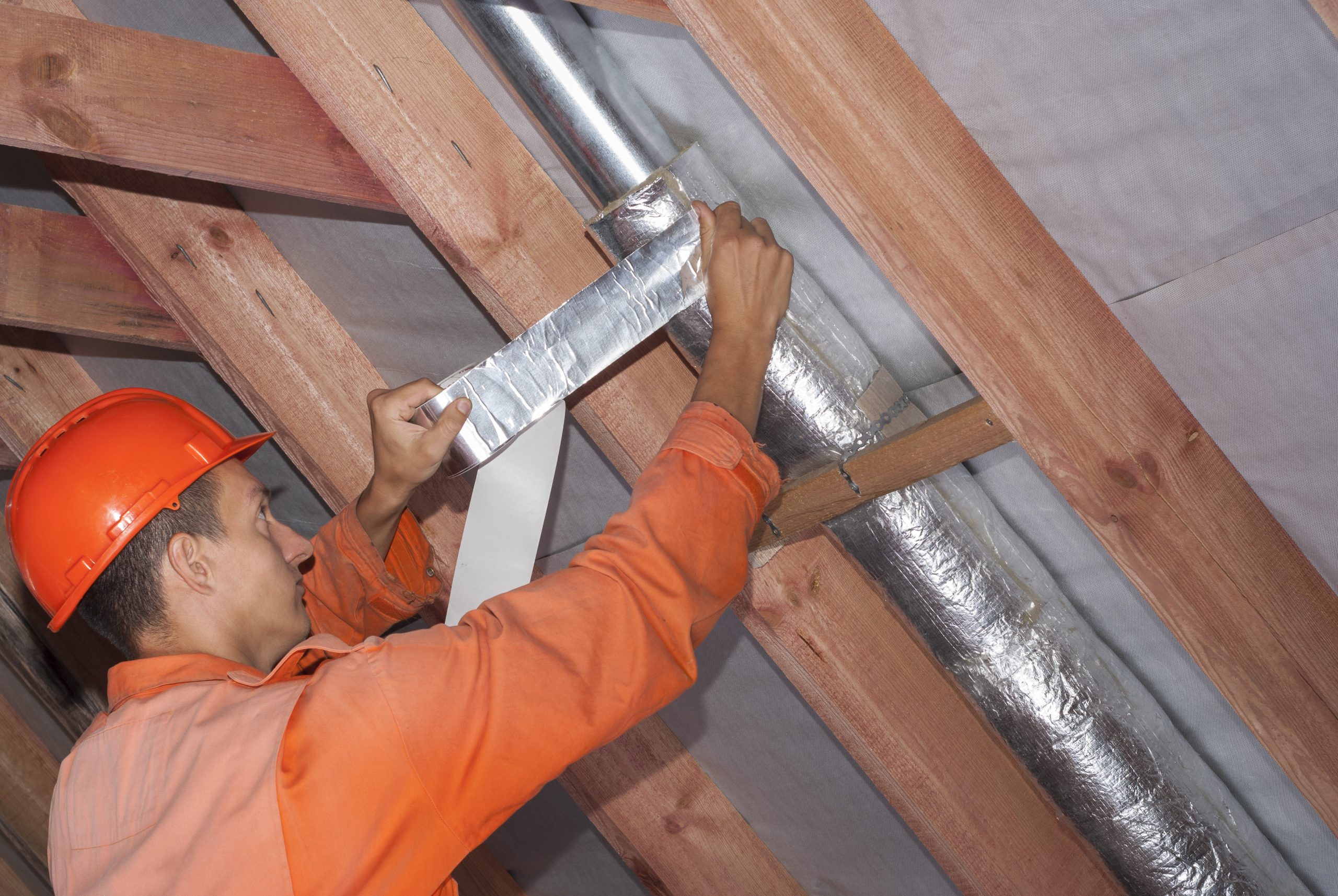
When you think about HVAC systems, what’s the first thing that comes to mind? Most likely cooling, heating, and airflow. But there’s a small hero in the HVAC industry that doesn’t always get the attention it deserves — duct tape. Yes, the same silver tape you may have seen at hardware stores has a much bigger role than a quick household fix. In Saudi Arabia, where HVAC systems are essential to survive the extreme summer heat, duct tape plays a vital role in ductworks, sealing, insulation, and maintenance. In this detailed blog, we’ll explore the top duct tape uses, waterproof solutions, why they’re important for HVAC ducting work, how waterproof duct tape helps, and where professional duct installation services in Saudi Arabia, like Airlution, come into the picture.
What Is Duct Tape?
Duct tape is a strong, adhesive-backed tape designed for sealing, repairing, and insulating ducts. Originally invented during World War II for military use, it quickly found its way into the HVAC industry because of its strength, flexibility, and heat resistance.
Unlike ordinary tapes, duct tape is designed to:
- Stick firmly to metal, plastic, or flexible ducts: Duct tape is specially engineered to bond tightly with different types of duct materials — whether it’s smooth metal surfaces, plastic components, or flexible ducting. This strong adhesion ensures that joints and seams remain sealed securely over time, even under pressure or frequent airflow.
- Resist moisture and humidity: One of the biggest challenges in HVAC ducting, especially in climates like Saudi Arabia, is moisture build-up. Duct tape is designed to resist water, humidity, and condensation, preventing any weakening of the seal and maintaining the integrity of the duct system for long-term performance.
- Withstanding temperature changes (important in Saudi Arabia’s hot climate): HVAC systems often experience significant temperature fluctuations, and duct tape is built to handle those extremes without losing its stickiness or strength. It remains stable and effective even under high heat or rapid cooling cycles, which is crucial in hot regions like Saudi Arabia.
- Provide quick and reliable sealing: Unlike traditional sealing methods, duct tape offers a fast, simple, and highly reliable solution for closing gaps, securing joints, or patching minor damages. Its strong adhesive properties mean you can achieve a durable seal in minutes, saving both time and effort during installation or maintenance.
That’s why duct tape is not just another tool — it’s an essential material for duct work.
Why Duct Tape Is Essential for HVAC Ducting
In Saudi Arabia, HVAC systems run almost all year round. Poorly sealed ducts can lead to:
- Energy loss: Air escaping from leaks makes the system work harder to maintain the desired temperature.
- Reduced cooling efficiency: Leaks disrupt airflow, causing uneven cooling and slower performance.
- Higher electricity bills: The harder the system works, the more energy it consumes, increasing costs.
- Poor indoor air quality: Gaps allow dust and pollutants to enter, lowering air quality and comfort.
This is where duct tape becomes critical. By sealing and reinforcing ducts, it:
- Improves airflow efficiency: Ensures air moves smoothly through the ducts without escaping.
- Prevents leaks and energy waste: Tight seals stop air loss and reduce unnecessary energy use.
- Increases the lifespan of HVAC systems: A more efficient system runs smoothly and lasts longer.
- Keeps dust and pollutants out of the air: Sealed ducts block contaminants, improving indoor air quality.
For both residential and commercial ductworks, duct tape remains a cost-effective solution that ensures reliable and long-lasting performance.
Top Duct Tape Uses in HVAC Ducting Work
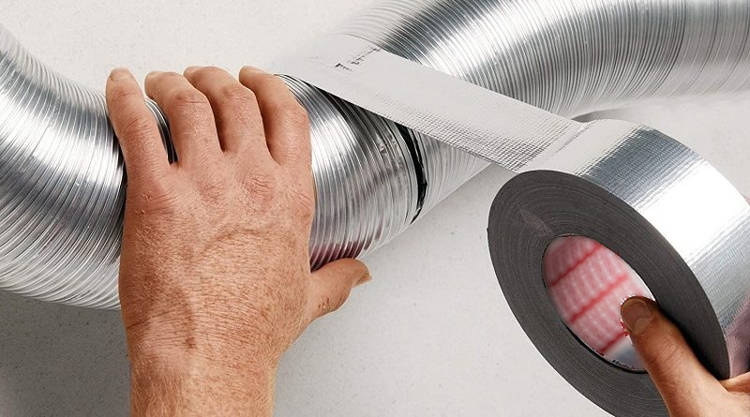
Let’s break down the most effective duct tape uses in HVAC systems:
Sealing Air Leaks
Air leaks are one of the main causes of high energy bills in homes and commercial buildings. Even small gaps in ductwork can allow cooled air to escape, forcing your HVAC system to work harder. Duct tape creates a tight and durable seal that stops this unwanted airflow, improving energy efficiency and keeping indoor spaces comfortable.
Joining Duct Sections
During duct installation, multiple sections — including round ducts, spiral ducts, and other components — must be securely connected. These joints and seams are often weak points where leaks can occur. Duct tape provides strong reinforcement, ensuring each section is firmly joined together and minimizing the risk of future air loss.
Insulation Support
Duct tape also plays an important role in supporting insulation around HVAC ducts. It is commonly used to wrap, secure, and hold insulation material in place, preventing it from slipping or tearing apart over time. This helps the insulation perform effectively, keeping the duct system energy-efficient and maintaining a stable indoor temperature.
Repairing Damaged Ducts
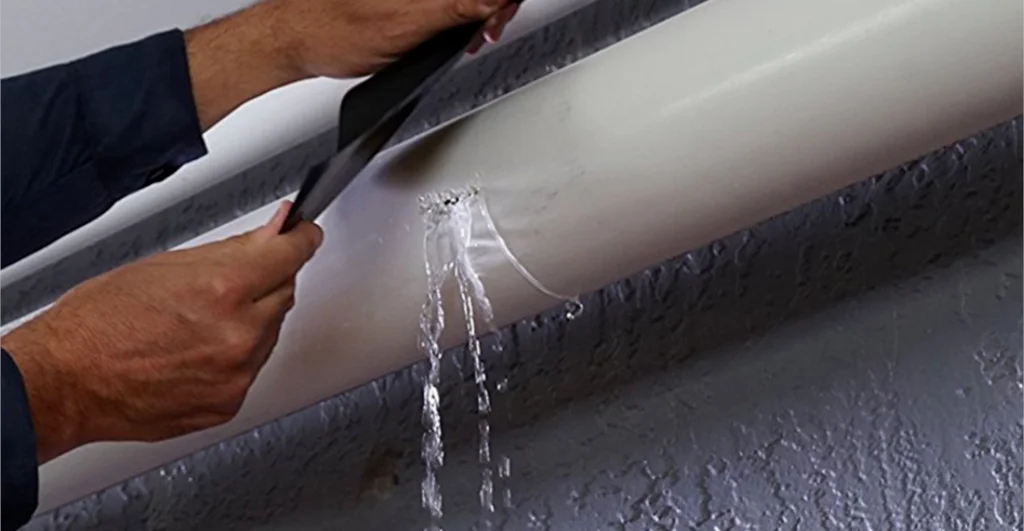
Over time, ducts can develop cracks, holes, or other minor damage due to wear and tear. Replacing an entire duct section can be expensive and time-consuming. Instead, using duct tape uses waterproof sealing and is a quick and cost-effective repair method. It seals small damages, restores duct integrity, and extends the system’s overall lifespan.
Noise Reduction
Loose or poorly secured ducts can cause annoying vibrations and rattling noises when the HVAC system is running. Applying duct tape around joints and fittings helps stabilize the ductwork, reducing movement and preventing noise. This simple solution contributes to a quieter and more comfortable indoor environment.
Temporary Fixes During Installation
In many HVAC projects, technicians need a reliable way to hold components together temporarily while working on final sealing, fabrication, or installation. Duct tape is ideal for this purpose — it keeps parts aligned and in place until the permanent connections are completed, making the installation process smoother and more efficient.
Waterproof Duct Tape Uses
In Saudi Arabia, high humidity and temperature changes can quickly damage ordinary sealing materials. That’s why duct tape uses waterproof technology and is a real game-changer — it stays strong and reliable even in tough conditions.
- Moisture Resistance: It prevents condensation and moisture from entering the ducts, protecting them from rust, mold, and water damage.
- Outdoor Durability: Perfect for ducts exposed to heat, dust, or rain, it stays firmly in place and maintains a strong seal outdoors.
- Reliable Repairs: Even in damp environments, it provides quick and effective sealing for cracks or leaks.
Whether used for HVAC ducting work or emergency repairs, duct tape uses with waterproof sealing makes it an essential material that keeps your duct system sealed and performing efficiently.
Duct Tape in Professional Duct Works
Professional ductworks involve much more than just installation — it also includes regular maintenance, proper sealing, and airflow optimization to keep HVAC systems running efficiently. In all these stages, duct tape plays a crucial role and is widely used by HVAC experts for tasks like:
- Sealing spiral ducts during fabrication: It provides a tight and secure seal, preventing leaks before the ducts are even installed.
- Supporting flexible duct installation: Duct tape helps hold flexible ducts firmly in place, ensuring smooth airflow and a secure fit.
- Reinforcing connections in large commercial buildings: In big projects, strong connections are essential. Duct tape strengthens joints and improves the durability of the entire system.
- Quick sealing solutions during duct testing: Technicians often rely on duct tape for fast, temporary seals while testing airflow and pressure before final installation.
For industrial and large-scale HVAC projects in Saudi Arabia, duct tape is an essential tool that keeps ductworks reliable, long-lasting, and energy-efficient.
How Duct Tape Supports Duct Installation Services in Saudi Arabia
When you choose professional duct installation services in Saudi Arabia, duct tape becomes an important part of the process. Expert companies like Airlution rely on it at every stage to improve performance and ensure long-term results. It’s used to:
- Seal ducts securely and reduce air loss: Proper sealing prevents cooled air from escaping, improving efficiency and lowering energy bills.
- Ensure waterproof protection for long-lasting performance: Waterproof duct tape adds an extra layer of protection against moisture, humidity, and weather damage.
- Support HVAC ducting work in both residential and commercial projects: From homes to large buildings, duct tape is essential for reliable and consistent duct performance.
- Deliver efficient, energy-saving systems to clients: Strong seals and durable ducts mean your HVAC system runs smoothly and consumes less energy.
In a country where cooling is not just a comfort but a necessity, duct tape plays a quiet yet powerful role in keeping indoor spaces comfortable, energy-efficient, and reliable.
Tips for Choosing the Right Duct Tape
Not all duct tapes are created equal. Here’s how to choose the right one:
- Check Heat Resistance – For Saudi Arabia’s climate, use heat-resistant tape.
- Look for Waterproof Options – Especially important for outdoor or humid areas.
- Strength and Adhesion – Ensure it sticks firmly to metal and flexible ducts.
- Professional-Grade Quality – Always go for industrial-grade duct tape for HVAC projects.
By using the right duct tape, you avoid quick failures and ensure long-lasting ductwork.
Complete Duct Services for Efficient HVAC Systems
At Airlution, we go beyond basic duct installation — our team offers a complete range of specialized HVAC services designed to improve efficiency, durability, and performance, including:
- Duct Customization and Fabrication: Our duct customization and fabrication services are designed to create tailor-made duct systems that perfectly match your building’s airflow and layout, ensuring maximum performance and energy efficiency.
- Cladding for Ducts and Pipes: With our cladding for ducts and pipes services, we provide protective layers that shield ductwork from weather conditions, moisture, and damage — extending the life of your HVAC system.
- Industrial Duct Insulation: Our industrial duct insulation services help reduce heat loss, maintain consistent indoor temperatures, and improve the overall efficiency of large-scale HVAC systems.
- Pre-Insulated Duct Solutions: Through our pre-insulated duct services, we deliver lightweight, ready-to-install duct systems that combine insulation and ducting in one — saving time and boosting energy performance.
Conclusion:
Duct tape may not be the first thing that comes to mind when you think about HVAC systems, but it’s one of the most powerful tools for ductwork and installation services. From sealing leaks to repairing damages, from supporting insulation to providing waterproof protection, duct tape uses are the backbone of efficient HVAC ducting work in Saudi Arabia. And when you partner with professionals like Airlution, you can be sure that your duct installation is not just strong, but also energy-efficient, cost-effective, and long-lasting. So next time you wonder how to improve your HVAC system’s performance, remember — sometimes, the solution is as simple as duct tape. Ready to upgrade your system? Contact us today and let our experts handle the rest.
FAQs:
What is duct tape used for in HVAC systems?
Duct tape is used to seal leaks, join sections, support insulation, and repair ducts for efficient HVAC performance.
Is waterproof duct tape good for ductwork?
Yes, waterproof duct tape prevents moisture damage, improves sealing, and ensures long-lasting HVAC duct performance.
How does duct tape improve energy efficiency?
By sealing leaks and reinforcing joints, duct tape reduces energy loss and helps HVAC systems run more efficiently.
Can duct tape fix damaged air ducts?
Absolutely! It’s a cost-effective solution for minor duct repairs, restoring airflow and preventing further damage.
Why use professional duct installation services?
Experts ensure proper sealing, insulation, and waterproofing with duct tape, maximizing system efficiency and lifespan.